

Sales On NOW... Don't Miss Out on Our Best Deals on Beauty!
🖤 Buying through our links helps support our app at no extra cost to you 🖤
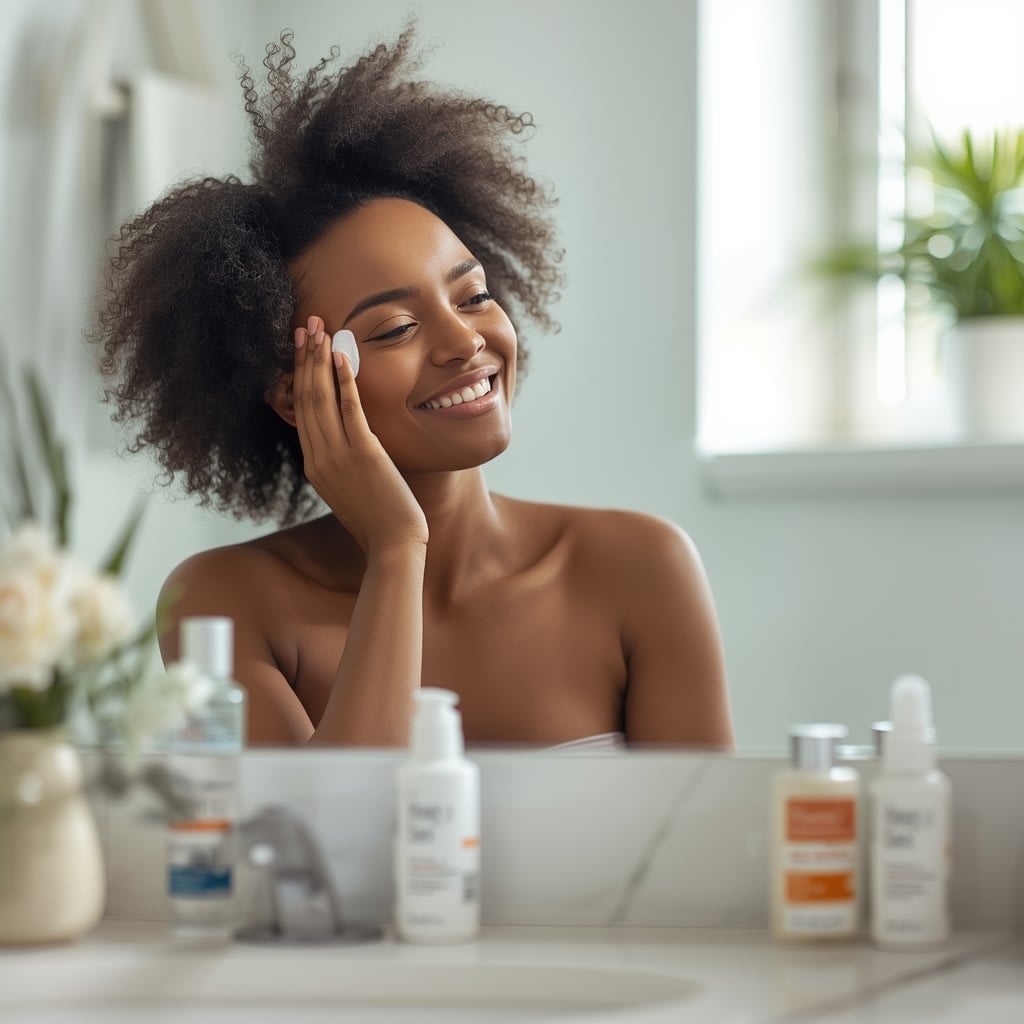
How to Build a Pregnancy-Safe Skincare Routine: Expert Dermatologist Advice
Understanding the Skin Changes During Pregnancy
Many expecting moms have heard about the so-called pregnancy glow, typically seen during the second trimester, when the skin takes on a radiant, dewy appearance and rosy cheeks. But pregnancy doesn’t just bring one predictable change to your complexion; it can cause a range of skin shifts, some less pleasant than others. For instance, you might find yourself dealing with unexpected breakouts or noticing patches of darker pigmentation appearing on your face, particularly on the cheeks and forehead. This condition is known as melasma, often called the 'mask of pregnancy.' Others might even experience dry or sensitive skin as their pregnancy progresses.
So, what causes these different skin reactions while you're pregnant? It primarily boils down to the hormones your body produces and the increased blood flow that occurs during this special time. These factors work together to keep your skin continuously evolving and reacting differently than usual. Because of this dynamic, establishing a thoughtful skincare routine that takes these changes into account is more important than ever when you’re expecting.

Sales On NOW... Don't Miss Out on Our Best Deals on Beauty!
Grab These Deals on Mineral-Based Sunscreen with Zinc Oxide Before They're Gone!
🖤 Buying through our links helps support our app at no extra cost to you 🖤
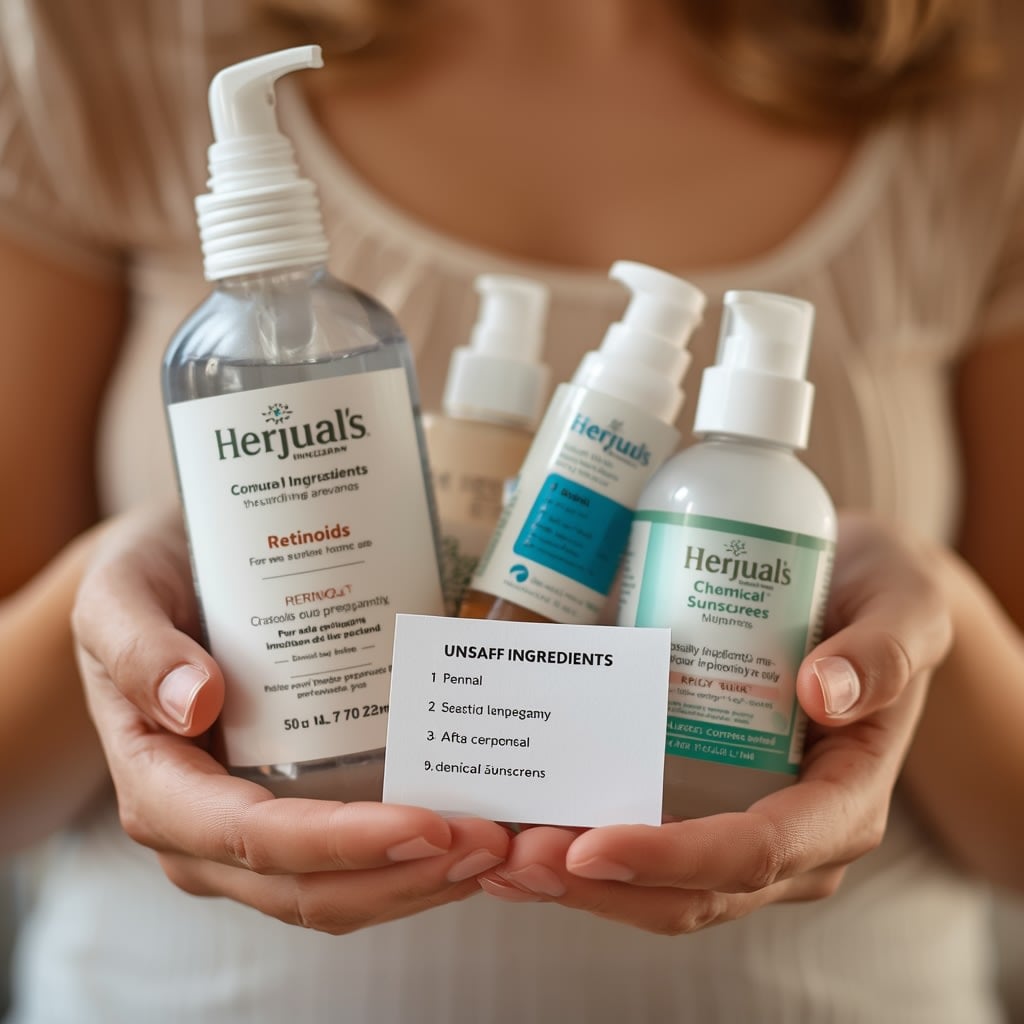
Why You Need to Be Careful with Skincare Ingredients While Pregnant
Navigating skincare during pregnancy can feel overwhelming because there are certain ingredients that you should avoid to protect both yourself and your developing baby. Unfortunately, there isn’t a wealth of strong clinical research on the precise effects many skincare ingredients have during pregnancy, so the best approach is always to prioritize safety and proceed with caution.
This is where guidance from dermatologists becomes invaluable. They can help sort through which components in your products might be harmful and which can safely support your skin’s health during this vulnerable time. To help, we’ve gathered advice from skincare professionals who share the top ingredients to avoid during pregnancy, along with safer, gentle alternatives allowing you to care for your skin without worry.
Experts emphasize how important it is to check in with your healthcare providers, like your dermatologist and OBGYN, when you’re unsure about a particular product or ingredient. While there are plenty of do’s and don’ts, safe skincare during pregnancy is very individual, so personalized recommendations are key.
Sales On NOW... Don't Miss Out on Our Best Deals on Beauty!
Grab These Deals on Fragrance-Free Gentle Moisturizer Before They're Gone!
🖤 Buying through our links helps support our app at no extra cost to you 🖤
Follow Us
Help our community grow by following us on social media

Ingredients to Avoid in Your Pregnancy Skincare Routine
Even though research on many ingredients is limited, experts strongly recommend steering clear of several skincare components during pregnancy to minimize any risk of harm to your baby. Here are some of the top ingredients you should avoid:
1. Retinoids: These vitamin A derivatives, including retinol and stronger prescribed forms like tazarotene and Accutane, are linked to serious developmental issues when used orally during pregnancy. They can cause birth defects affecting the brain, face, heart, and growth. While topical retinoids generally pose less risk, many dermatologists advise avoiding them completely during pregnancy to play it safe.
2. Salicylic Acid: This popular acne-fighting ingredient should be limited during pregnancy, especially in high concentrations like chemical peels or strong treatments. At higher doses, salicylic acid can be absorbed in significant amounts, which might impact fetal development, particularly in the critical early stages of pregnancy.
3. Chemical Sunscreens: Not all sunscreens are created equal, especially during pregnancy. Ingredients like oxybenzone and octinoxate, common in chemical sunscreens, may affect hormone balance and have been linked to reproductive concerns. Instead, opt for mineral-based sunscreens containing zinc oxide or titanium dioxide, which sit on top of your skin and aren’t absorbed, providing safer sun protection.
4. Benzoyl Peroxide: Though there’s limited data on how benzoyl peroxide affects pregnant women, its strong acne-fighting properties can be too harsh and potentially absorbed. Many experts advise skipping this ingredient as a precaution and using gentler options for acne control instead.
5. Hydroquinone: As a potent skin-lightening agent, hydroquinone is absorbed through the skin and is associated with potential risks for fetal development. It’s best to avoid hydroquinone and choose alternative safe treatments if you’re dealing with dark spots.
6. Essential Oils: While aromatherapy might sound appealing, many essential oils are not well studied during pregnancy and can be highly absorbent and volatile. Some, like rosemary or sage, may even stimulate contractions or cause other unwanted effects. Consult your healthcare provider before using any essential oils while pregnant.
7. Hair Dye: The safety of hair coloring during pregnancy depends on the type and application. Semi-permanent or natural botanical dyes are considered safer options, and hair coloring techniques like highlights or balayage limit scalp contact with chemicals. When opting for hair color, try to choose gentle, chemical-free products and consider postponing full dye jobs until after pregnancy if possible.
Sales On NOW... Don't Miss Out on Our Best Deals on Beauty!
Grab These Deals on Vitamin C Serum for Pregnancy-Safe Skincare Before They're Gone!
🖤 Buying through our links helps support our app at no extra cost to you 🖤
Stay Updated with Women's Spot Insights
Get the latest women's health tips, wellness advice, and expert insights delivered directly to your inbox.
We respect your privacy. Unsubscribe at any time.
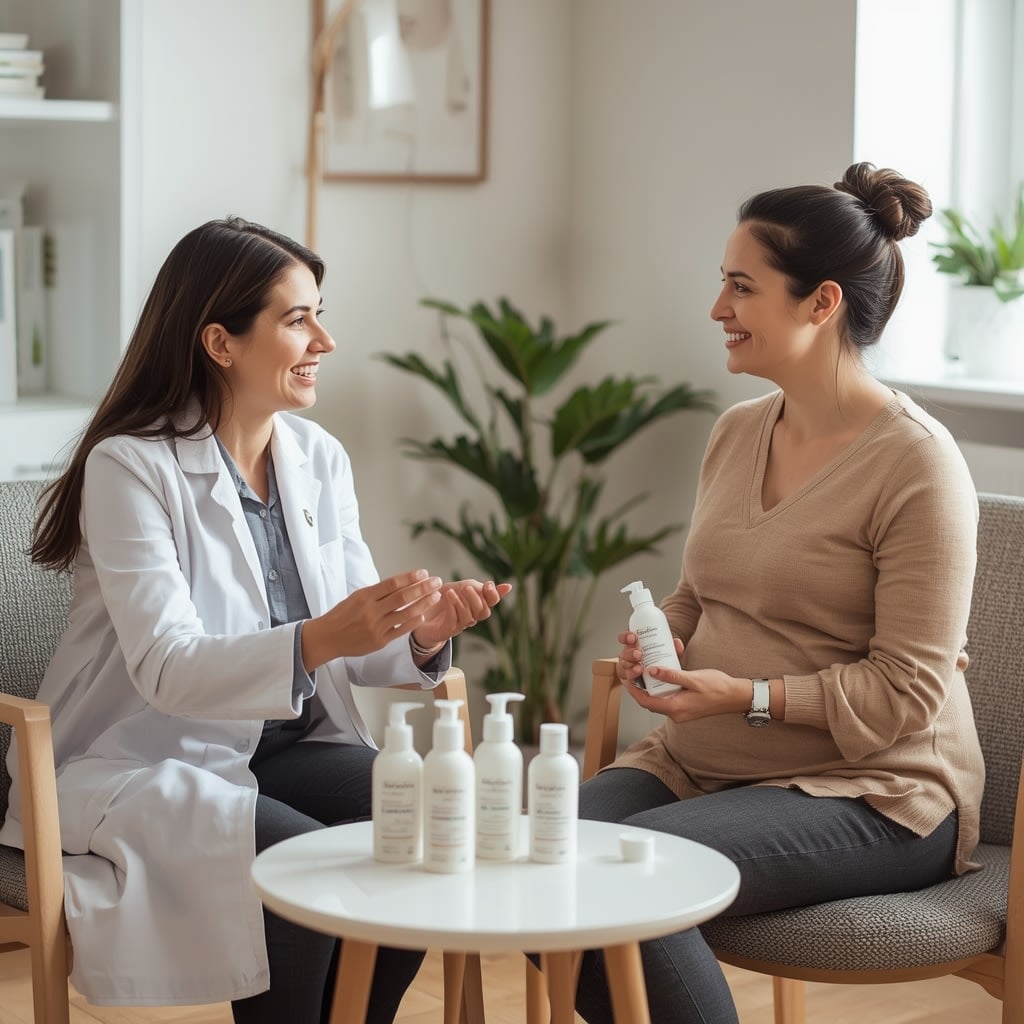
Safer Skincare Ingredients and Practices to Embrace During Pregnancy
Even with so many restrictions, you can still maintain your skin’s health and glow throughout pregnancy by focusing on safe, soothing ingredients and simple routines. The goal is to keep the skin hydrated, protected, and gently cleansed without irritation or unnecessary risks.
Start with gentle, fragrance-free moisturizers that nourish your skin without causing inflammation. Ingredients like aloe vera, honey, coconut oil, and jojoba oil are excellent for hydration and soothing, making them ideal choices. For cleansing, stick with mild products designed for sensitive skin to preserve your skin’s natural barrier.
Sun protection remains essential during pregnancy, so be sure to use a mineral-based sunscreen with ingredients like zinc oxide or titanium dioxide. These create a physical barrier on your skin and are safer choices to defend against harmful UV rays without skin absorption.
Vitamin C and niacinamide are two versatile ingredients regarded as safe for pregnancy. They help brighten the skin, reduce dark spots, and improve texture without posing risks to your baby. You might also explore products with phloretin, another antioxidant that supports skin health.
If you want to replace retinoids for anti-aging benefits, look for bakuchiol — a plant-derived compound that offers similar results without the risks associated with vitamin A. Some serums combine bakuchiol with antioxidants like melatonin and hydrating agents such as squalane, making them excellent for skin renewal and addressing concerns like dullness or early signs of aging.
Azelaic acid is another fantastic option to consider; it has anti-inflammatory properties and is effective for acne and rosacea. It’s commonly deemed safe during pregnancy and can even help with melasma when used properly.
Beyond the ingredients, remember that nourishing your skin from the inside out is equally important. Eating a balanced diet rich in vitamins, antioxidants, and healthy fats will support your skin’s resilience and help you feel energized. To complement your daily routine, stay hydrated, get ample rest, and avoid excessive sun exposure for the best overall skin health.
Finally, always consult with your dermatologist or healthcare provider before adding new products or treatments to your regimen during pregnancy to ensure they’re tailored to your unique needs and conditions.
Sales On NOW... Don't Miss Out on Our Best Deals on Beauty!
Grab These Deals on Niacinamide Face Serum Before They're Gone!
🖤 Buying through our links helps support our app at no extra cost to you 🖤
Comments
No comments yet. Be the first to share your thoughts!
Selected articles just for you
Discover more articles in this category that might interest you

Sales On NOW... Don't Miss Out on Our Best Deals!
🖤 Buying through our links helps support our app at no extra cost to you 🖤