

Sales On NOW... Don't Miss Out on Our Best Deals on Beauty!
🖤 Buying through our links helps support our app at no extra cost to you 🖤
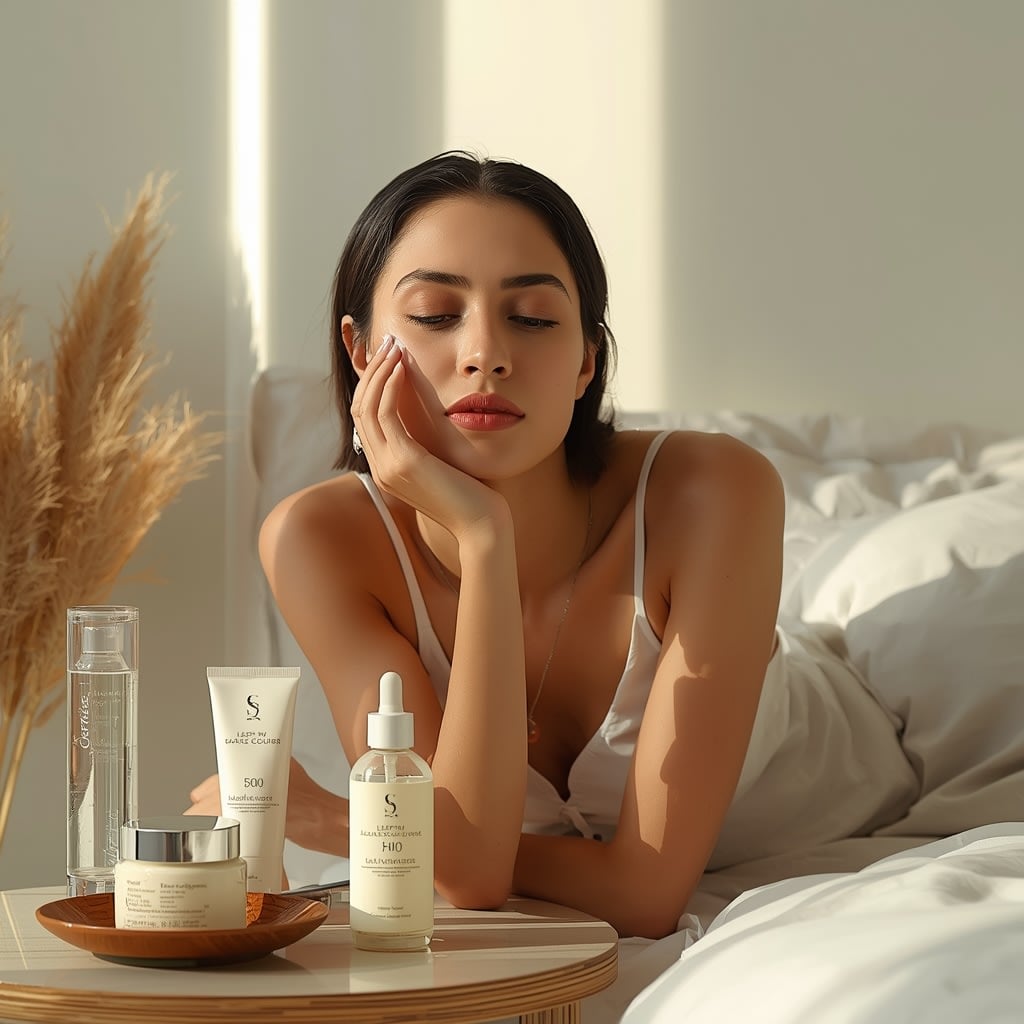
Understanding Sallow Skin: What It Is, Why It Happens, and How to Brighten Your Complexion
What Does Sallow Skin Mean and Why Does It Occur?
If you've noticed your skin looking more tired, dull, or slightly yellowed lately, you're not alone. Sallow skin is a common but often overlooked skin concern that can leave your complexion looking flat or lifeless. But what exactly is sallow skin, and what causes this unusual tone? Let's dive into what dermatologists have to say.
The term 'sallow skin' isn't a formal medical diagnosis but rather a descriptive phrase for skin that appears dull with a subtle mix of gray, yellow, or brownish hues. This isn’t just about surface discoloration; it’s tied to how your skin functions on a deeper level. Experts explain that sallow skin often signals slower skin cell renewal and changes in blood circulation. As skin ages, it naturally loses some of its ability to quickly repair itself. This slows down the rate at which new skin cells replace old ones and can lead to a lackluster, grayish color. In addition, decreased blood flow means less oxygen and fewer nutrients reach your skin, contributing to that dull appearance.
A board-certified dermatologist from Santa Monica explains, 'When your skin ages, its ability to renew diminishes, causing discoloration and a grayish dullness due to reduced cell turnover.' In other words, when your skin isn’t regenerating as efficiently, it starts showing these signs of fatigue on its surface.


Sales On NOW... Don't Miss Out on Our Best Deals on Beauty!
Grab These Deals on Alpha Hydroxy Acid (AHA) Exfoliating Serum Before They're Gone!
🖤 Buying through our links helps support our app at no extra cost to you 🖤
Defining Sallow Skin: What Happens Beneath the Surface
Sallow skin mainly describes a complexion that looks lackluster, somewhat flat, and shows a yellow to brownish-gray tone. This condition happens when your skin’s natural renewal process slows down, preventing it from looking refreshed and healthy. Several biological factors come into play here: mainly the slowing down of skin cell turnover, poorer blood flow (microcirculation), and the natural loss of collagen and elastin, two proteins essential for youthful, firm skin.
One important factor linked to this skin discoloration is glycation, a process where sugars in your body attach to proteins and form advanced glycation end products (AGEs). These AGEs cause your skin to lose its youthful glow and develop a yellowish tint. Beyond the inner workings of your skin, regular exposure to stressors like pollution, UV rays, and smoking can worsen the sallow look by increasing oxidation, harming collagen, and triggering pigmented spots.
Depending on your natural skin tone, sallow skin can show differently. For example, if you have fair or pinkish skin, the yellowish undertones tend to stand out more. On olive or medium skin tones, it may come across as more brownish. Interestingly, sallow skin is rarely seen in very dark complexions. Besides changes in color, the skin might also feel dry to the touch or look flaky and uneven.
Sales On NOW... Don't Miss Out on Our Best Deals on Beauty!
Grab These Deals on Retinol Anti-Aging Serum Before They're Gone!
🖤 Buying through our links helps support our app at no extra cost to you 🖤

What Are the Main Causes of Sallow Skin?
Sallow skin doesn’t usually result from just one cause, but rather from a mix of factors including aging, lifestyle habits, environmental influences, and underlying health issues. Let’s break these down.
Aging is a big player when it comes to sallow skin. As we get older, skin cell turnover naturally slows, collagen and elastin production decline, and blood flow decreases. This combination means your skin isn't getting the oxygen and nutrients it needs, making your face look dull and tired instead of radiant. Besides aging, stress, lack of proper sleep, hormonal shifts, and nutritional shortfalls—like insufficient iron, vitamin B12, or vitamin D—can all add to oxidative stress and interfere with your skin’s ability to stay fresh and balanced.
From the outside, excessive sun exposure, smoking, and polluted air add more pressure on your skin. They heighten oxidative damage, break down collagen, and create uneven pigmentation. A dermatologist based in Alabama points out that too much sun causes your skin to produce more melanin and inflame, whereas smoking reduces blood circulation and speeds up collagen loss—all of which contribute to that sallow, worn-out look that you may notice in the mirror.
Apart from lifestyle and aging, certain medical conditions like anemia also contribute to sallow skin. Anemia, especially iron-deficiency anemia, means your blood isn’t carrying enough oxygen throughout your body, including to your skin. This oxygen shortfall causes paleness or a dull, yellowish-brown complexion. If you notice persistent sallow skin along with fatigue and other systemic symptoms, it’s important to consider underlying health evaluations.
Sales On NOW... Don't Miss Out on Our Best Deals on Beauty!
Grab These Deals on Vitamin C Face Serum Before They're Gone!
🖤 Buying through our links helps support our app at no extra cost to you 🖤
Follow Us
Help our community grow by following us on social media

How to Prevent and Improve Sallow Skin with Lifestyle and Skincare
While getting older is inevitable, you can take plenty of steps to slow the development of sallow skin and keep your complexion looking more lively and vibrant. Your day-to-day habits have a huge impact on your skin’s glow.
One of the easiest and most important changes is ensuring you get enough sleep—aim for 7 to 8 hours every night. Sleep is when your body goes into recovery mode, repairing your skin barrier and fixing DNA damage caused by daily stressors like UV light. Lack of sleep also raises cortisol levels, which can lead to inflammation and make your skin look stressed and dull.
Eating a balanced diet rich in vitamins and minerals equally matters. Nutrients like vitamin B complex, folate, and iron nourish your skin from within, helping it function at its best. Make sure you have a colorful plate full of whole foods, which supports your skin’s natural ability to heal and regenerate.
Consistent skincare routines can further protect against and improve sallowness. Cleansing daily helps sweep away dirt and excess oils that trap dead skin cells, while moisturizers strengthen the skin barrier by locking in hydration to create a plumper, more luminous appearance. Most importantly, applying sunscreen every day isn’t optional if you want to shield your skin from UV rays. Sunscreen prevents collagen breakdown, limits pigmentation problems, and slows premature aging, all crucial steps in keeping your complexion vibrant and glowing.
Sales On NOW... Don't Miss Out on Our Best Deals on Beauty!
Grab These Deals on Hyaluronic Acid Moisturizer Before They're Gone!
🖤 Buying through our links helps support our app at no extra cost to you 🖤
Stay Updated with Women's Spot Insights
Get the latest women's health tips, wellness advice, and expert insights delivered directly to your inbox.
We respect your privacy. Unsubscribe at any time.

Treating Sallow Skin: At-Home Solutions and Professional Options
If your complexion remains dull or yellowish despite good habits and skincare, there are targeted treatments to help brighten and refresh your skin. Experts recommend using a combination of at-home care and dermatological procedures to tackle the root causes of sallowness.
At-home treatments such as gentle exfoliation using alpha-hydroxy acids (AHAs), beta-hydroxy acids (BHAs), or poly-hydroxy acids (PHAs) help shed dead skin cells that can make your face appear dull. This process speeds up cell renewal and reveals a more energized, youthful complexion. Retinoids, including retinol serums available over-the-counter, increase skin cell production and boost collagen, which smooths skin texture and lightens discoloration.
Moisturizers containing hydrating ingredients like hyaluronic acid and ceramides repair your skin’s moisture barrier, helping it appear plumper and less tired. Topical antioxidants such as vitamins C and E, along with CoQ10, protect against environmental stress and pigment changes by neutralizing harmful free radicals. Using these consistently can preserve your skin’s brightness and slow the development of sallow tones.
If you prefer professional help, dermatologists offer procedures like chemical peels using salicylic acid or glycolic acid to remove pigmented skin layers and trigger fresh cell growth. Treatments such as microneedling combined with platelet-rich plasma (PRP) stimulate collagen and elastin production, improving skin strength and glow. Laser therapies like Fraxel or Clear + Brilliant resurface damaged skin, even out pigmentation, and boost radiance, giving you a fresher, more vibrant look.
Remember, if your sallow skin is persistent or comes with other health symptoms like fatigue, it’s best to consult a dermatologist. They can determine if your skin changes are cosmetic or related to an underlying health condition, guiding you toward the most effective treatment plan. With the right care, lifestyle habits, and expert help, you can bring back your skin’s natural radiance and enjoy a brighter, healthier complexion.
Sales On NOW... Don't Miss Out on Our Best Deals on Beauty!
Grab These Deals on Ceramide Moisturizing Cream Before They're Gone!
🖤 Buying through our links helps support our app at no extra cost to you 🖤
Comments
No comments yet. Be the first to share your thoughts!
Selected articles just for you
Discover more articles in this category that might interest you

Sales On NOW... Don't Miss Out on Our Best Deals!
🖤 Buying through our links helps support our app at no extra cost to you 🖤