

Sales On NOW... Don't Miss Out on Our Best Deals on Fitness!
🖤 Buying through our links helps support our app at no extra cost to you 🖤

Mastering Lateral Raises: Techniques, Variations, and Benefits for Strong, Healthy Shoulders
Why Lateral Raises Are Essential for Shoulder Strength and Stability
If you want to build strong, stable shoulders, lateral raises are an essential exercise to include in your routine. This move focuses mainly on the middle section of your shoulder muscles, technically known as the lateral deltoid. While it engages that part the most, your front deltoid and upper back, particularly the trapezius muscles, also play supporting roles to help you lift your arms smoothly and safely.
Strong shoulders are crucial in everyday life for tasks like reaching up to grab something from a shelf or carrying your belongings when heading out. Beyond the convenience of daily activities, well-developed and mobile shoulders protect your joints from injury, contributing to overall upper body health. Because lateral raises involve moving your arms away from your body’s side, they are a great isolation exercise, which means they allow you to focus on strengthening that specific shoulder muscle group without involving other larger muscles. In a way, lateral raises are the perfect finishing touch to your broader shoulder workout routine that targets multiple muscle groups.


Sales On NOW... Don't Miss Out on Our Best Deals on Fitness!
Grab These Deals on Adjustable Dumbbell Set Before They're Gone!
🖤 Buying through our links helps support our app at no extra cost to you 🖤
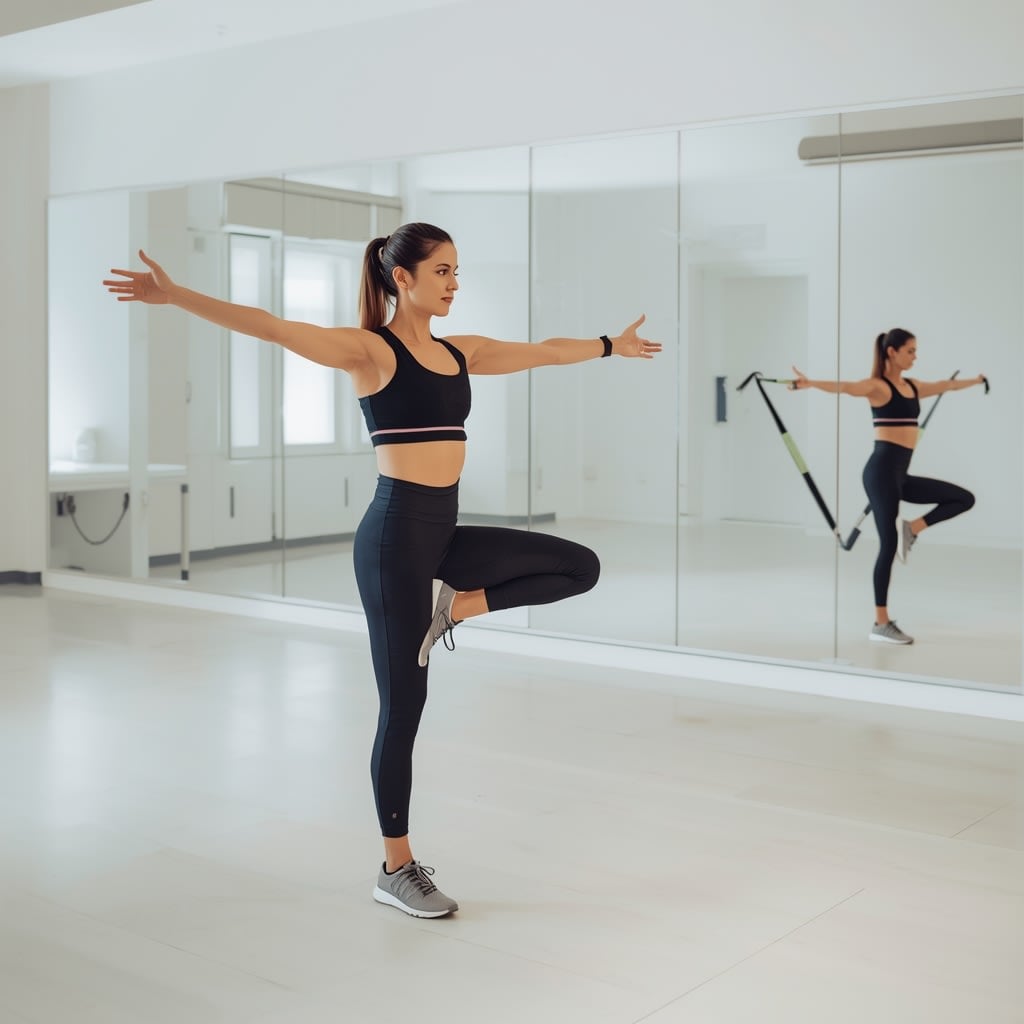
Targeted Muscles and Key Advantages of Doing Lateral Raises
Lateral raises primarily work the deltoids, the muscles that cap your shoulders, which are divided into three parts or 'heads': the front (anterior), side (lateral), and rear (posterior). When you raise your arms sideways, you mainly target the side and front heads. This helps enhance strength and muscle tone in those areas, giving your shoulders a balanced and shapely appearance.
So, why are lateral raises such a valuable exercise? For starters, they significantly improve your shoulder strength, especially the middle deltoid, which boosts your ability to perform other pressing or pushing movements more effectively. Research indicates lateral raises activate the middle deltoid more than other shoulder exercises like front raises or dumbbell flies, making it a top choice for isolating this muscle.
In addition to building muscle strength, lateral raises also increase shoulder mobility and flexibility by encouraging your joints and soft tissues to move through a wide range of motion. This can make everyday movements more comfortable and help prevent stiffness. Plus, because your shoulder joint is inherently unstable, strengthening the muscles around it through lateral raises offers protection against common injuries by improving joint stability and muscular balance.
Sales On NOW... Don't Miss Out on Our Best Deals on Fitness!
Grab These Deals on Resistance Bands Before They're Gone!
🖤 Buying through our links helps support our app at no extra cost to you 🖤
Follow Us
Help our community grow by following us on social media
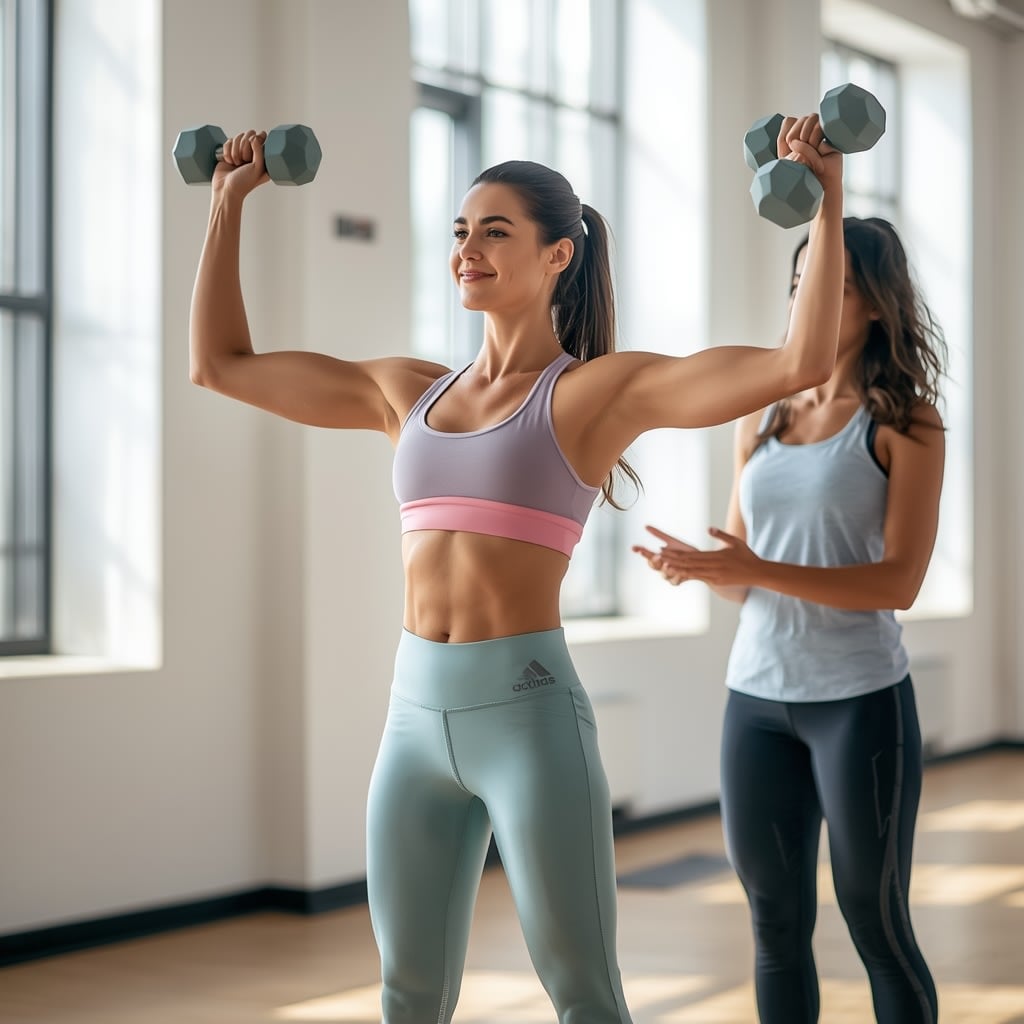
How Lateral Raises Boost Posture and Reduce Shoulder Discomfort
Poor posture, often due to spending long hours hunched over screens or sitting with shoulders rounded forward, can lead to nagging shoulder pain and discomfort. By strengthening the deltoids with lateral raises, you help support better posture, which can relieve pressure on your neck and shoulders over time. When your shoulders are stronger, it becomes easier to hold yourself tall and avoid slumping, which in turn minimizes aches caused by bad posture habits.
Experts suggest pairing lateral raises with exercises that target your shoulder blade muscles, such as rows or scapular retractions, to improve overall upper back strength and stability. This combination encourages balanced muscle development around the shoulder girdle, giving you a more upright and comfortable stance.
Alongside strengthening exercises, stretching your shoulders regularly is vital—especially if you experience tightness or discomfort. Including about 10 minutes of gentle stretching daily can help ease tension and increase your range of motion, supporting your workout efforts and daily activities.
Additionally, studies have shown that performing lateral raises consistently can reduce pain levels and increase shoulder function, making them a beneficial part of rehabilitation programs for people coping with chronic neck or shoulder issues.
Sales On NOW... Don't Miss Out on Our Best Deals on Fitness!
Grab These Deals on Cable Machine for Home Gym Before They're Gone!
🖤 Buying through our links helps support our app at no extra cost to you 🖤
Stay Updated with Women's Spot Insights
Get the latest women's health tips, wellness advice, and expert insights delivered directly to your inbox.
We respect your privacy. Unsubscribe at any time.

Mastering Lateral Raises: How to Perform Them Correctly and Variations to Try
Learning the right way to do lateral raises is key to maximizing their benefits and avoiding injury. Start by standing tall with a dumbbell in each hand, arms resting comfortably by your sides, palms facing your body. Keep your shoulders relaxed, abs gently braced, and knees slightly bent to maintain stability.
From this position, slowly lift your arms out to the sides, keeping a slight bend in your elbows, until your wrists reach shoulder height. Avoid lifting your shoulders up toward your ears during the movement to prevent neck strain. Pause briefly at the top, then slowly lower the weights back down with control. Aim for 3 sets of 8 to 12 reps with this controlled movement.
Common mistakes include arching the lower back, using momentum to swing the weights, or shrugging your shoulders. To prevent this, focus on maintaining a neutral spine, moving deliberately without rushing, and keeping your shoulder blades down and relaxed throughout.
If you want to increase the challenge, you can try variations like lifting one leg while doing the raise on the opposite side to engage your core and balance muscles. Other options include using a cable machine for constant tension or resistance bands for a different stimulus. Some prefer seated lateral raises to limit torso movement or front raises to emphasize the front deltoid. Leaning lateral raises, performed while leaning away from a sturdy support, increase the range of motion and add intensity. Experimenting with these variations keeps your workouts fresh and targets your muscles in new ways.
As for weights, start light to perfect your technique before moving up. Because the shoulder muscles work alone during lateral raises, the load shouldn't be too heavy. When the last few reps feel no harder than the first, it's a sign to increase the weight gradually. You can also do this exercise with alternative equipment like kettlebells or even household items if dumbbells aren’t available.
Sales On NOW... Don't Miss Out on Our Best Deals on Fitness!
Grab These Deals on Kettlebells Before They're Gone!
🖤 Buying through our links helps support our app at no extra cost to you 🖤
Comments
No comments yet. Be the first to share your thoughts!
Selected articles just for you
Discover more articles in this category that might interest you

Sales On NOW... Don't Miss Out on Our Best Deals!
🖤 Buying through our links helps support our app at no extra cost to you 🖤