

Sales On NOW... Don't Miss Out on Our Best Deals on Fitness!
🖤 Buying through our links helps support our app at no extra cost to you 🖤

The Ultimate Guide to Deadlifting: How to Do It Right, Benefits, Muscles Targeted, and Common Pitfalls
Why Deadlifting Deserves a Spot in Your Workout Routine
When it comes to strength training, few exercises hold the same power and respect as the deadlift. This move is a staple in many fitness routines because it simultaneously works multiple muscle groups and joints, especially in the lower body and back. The core of the exercise involves lifting a weight off the floor until you stand upright, making it one of the most effective ways to build strength and functional power.
Deadlifts have a huge following among fitness enthusiasts and are a key component in powerlifting competitions. Interestingly, there has been a growing number of women becoming interested in deadlifting. Many find themselves not only seeing physical improvements but also feeling stronger and more empowered. As you engage in deadlifting, it’s this combination of physical gains and confidence boosts that keeps people hooked.

Sales On NOW... Don't Miss Out on Our Best Deals on Fitness!
Grab These Deals on Adjustable Dumbbells Set Before They're Gone!
🖤 Buying through our links helps support our app at no extra cost to you 🖤
Understanding the Deadlift: Definition and Muscle Engagement
So, what exactly is a deadlift? Simply put, it’s an exercise where you lift a stationary weight from the ground, using your body’s strength to raise it to a standing position. Various equipment can be used for deadlifts, including barbells, dumbbells, kettlebells, or even just your own body weight. The traditional deadlift typically involves lifting a barbell from the floor.
One of the key reasons deadlifts are so beneficial is the way they target the posterior chain, which are the muscles running down the backside of your body. This includes muscles like the trapezius in your upper back and shoulders, rhomboids in the middle back, and the latissimus dorsi that stretches across your back. But the benefits don't stop at the back muscles. Deadlifts also engage important muscles at the front of your body, such as your core and quadriceps, creating a full-body workout that enhances strength and coordination.
Sales On NOW... Don't Miss Out on Our Best Deals on Fitness!
Grab These Deals on Barbell Weight Set Before They're Gone!
🖤 Buying through our links helps support our app at no extra cost to you 🖤

Mastering Proper Deadlift Form: Step-by-Step Instructions
Getting your deadlift form right is crucial—not only to prevent injury but also to ensure you're targeting the right muscle groups effectively. Many people spend long hours sitting at desks, which can weaken the glute muscles; deadlifts help activate and strengthen these often neglected muscles.
Here’s a simple way to perform a proper dumbbell deadlift: Start by standing with your feet about hip-width apart and place the dumbbells on the ground in front of you. Bend your knees and hips, sliding your hands down your thighs to grasp the weights firmly. Engage your core by tightening your abdominal muscles.
Keep your head facing forward and maintain a straight back while retracting your shoulder blades as if trying to snap the dumbbell bar. Slightly straighten your legs, lifting the weights so that they gently touch the weight plates if you’re using a barbell. Then, push your hips backward and stand up by lifting the weights close to your sides. At the top, squeeze your glutes but avoid overextending your back.
Slowly lower yourself back to the starting position, focusing on keeping your back straight. The dumbbells should either touch the floor or hover a few inches above it depending on your flexibility. This controlled movement maximizes muscle engagement and minimizes risk of injury.
Sales On NOW... Don't Miss Out on Our Best Deals on Fitness!
Grab These Deals on Kettlebell Set Before They're Gone!
🖤 Buying through our links helps support our app at no extra cost to you 🖤
Top Benefits of Deadlifting: Full-Body Strength, Bone Health, and Beyond
Deadlifts offer a ton of advantages that go beyond building muscle. This exercise incorporates what’s known as the hip hinge—a fundamental human movement pattern where you bend at the hips while keeping your back straight. This helps strengthen everything from your glutes and hamstrings to your core and upper back. Given that it activates such a large number of muscles with intensity, deadlifting is a fantastic way to boost overall power and physical fitness.
Interestingly, deadlifting heavy weights has been shown to lower blood pressure more effectively than cardio workouts alone. This could be because resistance training helps prep your arteries to relax and expand better, contributing to heart health. Plus, because deadlifts involve loading your bones, they stimulate them to become denser and stronger, which is essential to help prevent osteoporosis, especially in your spine and hips.
The core muscles gain a serious workout from deadlifts too. Particularly the transverse abdominis—the deep abdominal muscle acting like a natural corset to stabilize your torso. This strong core support can improve posture and reduce back pain. Moreover, deadlifts help burn calories intensely both during exercise and afterward due to a process called excess post-exercise oxygen consumption (EPOC), meaning your body stays in calorie-burning mode after you finish.
Deadlifting also plays a key role in injury prevention by strengthening the lower back and enhancing stability. This functional movement improves everyday activities like lifting groceries or picking up children. By making your back muscles resilient, deadlifts may reduce your chances of developing back pain later in life. And let’s not forget the glute gains—a hip-dominant movement that can boost the strength and shape of your backside, which is a common fitness goal.
Additionally, this lift supports better posture by reinforcing spinal alignment and teaching you to maintain a neutral spine position while moving. For those who prefer variety, deadlifts can be performed using equipment like barbells, dumbbells, kettlebells, or even just bodyweight, making it accessible no matter your experience level. Lastly, deadlifting frequently brings about a surge of confidence as you discover your ability to lift heavy weights, enhancing both physical strength and self-esteem, while also improving athletic performance for running, jumping, or sports.
Sales On NOW... Don't Miss Out on Our Best Deals on Fitness!
Grab These Deals on Weightlifting Gloves Before They're Gone!
🖤 Buying through our links helps support our app at no extra cost to you 🖤
Follow Us
Help our community grow by following us on social media
Common Deadlift Mistakes to Avoid to Stay Safe and Effective
Despite the many benefits, deadlifts can lead to injury if performed incorrectly. One typical error is allowing your hips to rise too soon during the lift, making the back form more horizontal and increasing stress on the lower back. To prevent this, focus on raising your hips and shoulders simultaneously at the start of the movement.
Another common mistake is overextending your hips at the top of the lift. Pushing your pelvis excessively forward doesn’t increase muscle engagement; instead, it strains your lower back. Aim to finish the lift standing tall with knees locked smoothly, but without exaggerated backward arching.
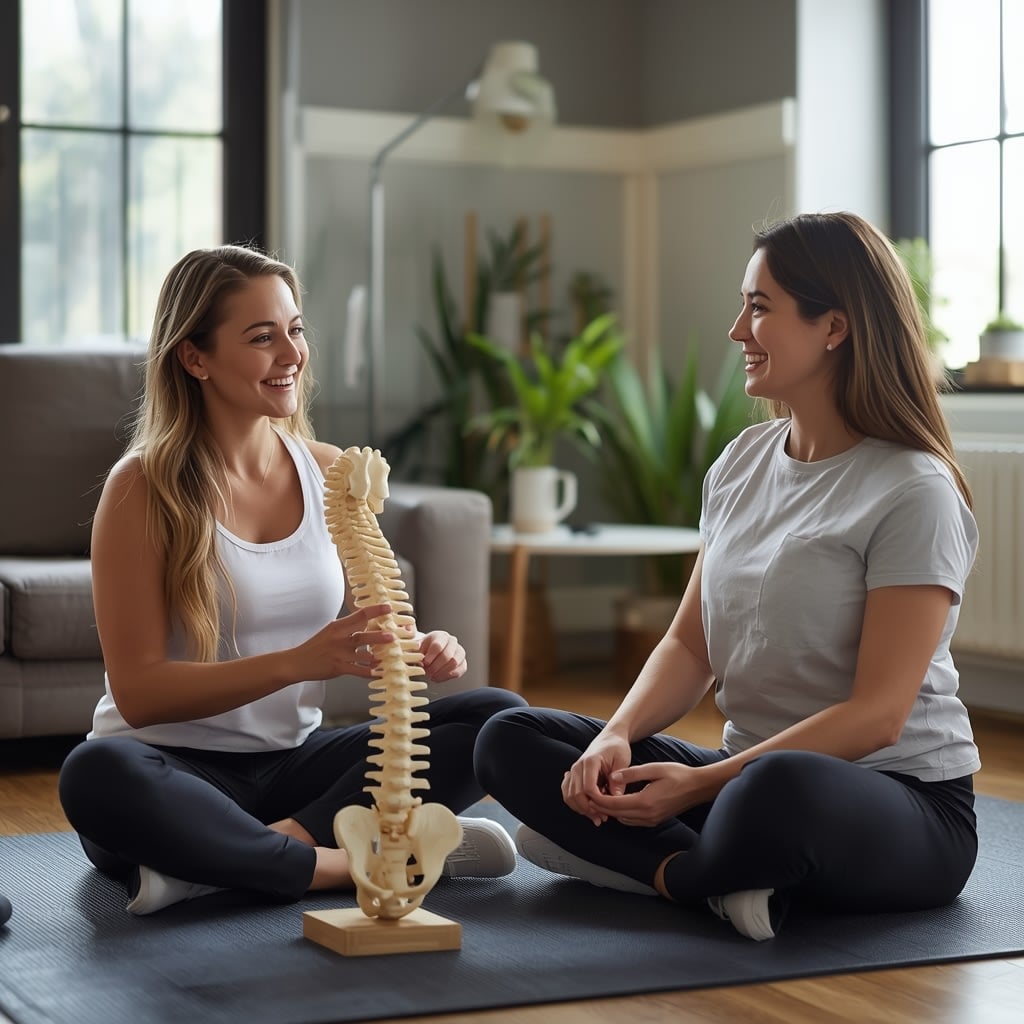
Many lifters also round their backs during the movement, especially when lifting heavier weights or lowering the load. Maintaining a neutral spine—imagine a straight pole running along your back—helps protect your vertebrae and reduces the risk of injuries such as slipped discs. Bracing your core muscles by taking a deep breath before the lift can further support spinal stability.
Jumping into heavy weights too quickly is a mistake that can compromise form and safety. Building strength gradually while perfecting your technique is essential to avoid injury and get the most benefit from deadlifting.
Lastly, some people bend their knees too early while lowering the weight. Initiating the descent by pushing the hips back first and allowing the weight to pass the knees before bending helps maintain balance and proper alignment.
Sales On NOW... Don't Miss Out on Our Best Deals on Fitness!
Grab These Deals on Weightlifting Belt Before They're Gone!
🖤 Buying through our links helps support our app at no extra cost to you 🖤
Different Deadlift Variations to Keep Your Routine Fresh and Effective
If you want to vary your deadlift workouts, several effective forms can target muscles slightly differently while keeping the core principles intact. One popular option is the kettlebell deadlift. Start with your feet hip-width apart, holding the kettlebell with both hands. With a slight bend in your knees, hinge at your hips while keeping your back straight and lower the kettlebell almost to the floor. Then push your hips forward and squeeze your glutes as you stand back up, engaging all the key muscles.
Another great variant is the stiff-legged dumbbell deadlift. Stand tall with a bit of knee bend, holding dumbbells in front of you. Keep your back flat and hinge forward at the hips, lowering the weights along the front of your legs until you feel a stretch in your hamstrings—your upper back should remain tight. Then, use your glutes and hamstrings to drive your hips forward and return to standing.
The Romanian deadlift with dumbbells also emphasizes hamstring flexibility and strength. Keep your legs straighter than usual and bend at the hips to lower the dumbbells just below your knees. Focus on controlling the descent and engaging your core and glutes as you return to upright, making this an excellent choice to refine hamstring and lower back strength.
Sales On NOW... Don't Miss Out on Our Best Deals on Fitness!
Grab These Deals on Yoga Mat with Non-Slip Surface Before They're Gone!
🖤 Buying through our links helps support our app at no extra cost to you 🖤
Stay Updated with Women's Spot Insights
Get the latest women's health tips, wellness advice, and expert insights delivered directly to your inbox.
We respect your privacy. Unsubscribe at any time.

Addressing Concerns About Deadlifts and Back Pain Safely
You might wonder whether deadlifts could hurt your back, especially if you’ve dealt with back problems before. The good news is that, if done with proper form, deadlifts can help reduce certain types of lower back pain by strengthening vital trunk muscles. These muscles often get activated more through deadlifting than with some traditional core exercises like those done on stability balls.
Before starting deadlifts, particularly if you have a history of back or hip issues, it’s wise to get a professional assessment to ensure there aren’t any underlying problems that could be aggravated. A physical therapist can help identify misalignments or mobility limitations and guide you on how to perform deadlifts safely to distribute load evenly across your body.
If you already deal with back pain or sciatica symptoms, getting an individualized evaluation is essential before attempting deadlifts. Many can benefit from this exercise, but a tailored approach makes sure it supports your recovery rather than worsening pain.
For those who include deadlifts regularly in their workout, it’s important to remember that resting between sessions is key. Working the same muscle groups every day doesn’t allow muscles time to repair and grow stronger. Rest days help reduce the risk of overuse injuries, muscle fatigue, and strain, so listen to your body and space out your lifting to keep progressing safely.
Sales On NOW... Don't Miss Out on Our Best Deals on Fitness!
Grab These Deals on Foam Roller Before They're Gone!
🖤 Buying through our links helps support our app at no extra cost to you 🖤
Comments
No comments yet. Be the first to share your thoughts!
Selected articles just for you
Discover more articles in this category that might interest you

Sales On NOW... Don't Miss Out on Our Best Deals!
🖤 Buying through our links helps support our app at no extra cost to you 🖤