

Sales On NOW... Don't Miss Out on Our Best Deals on Fitness!
🖤 Buying through our links helps support our app at no extra cost to you 🖤

Top Footwear Picks for Staying Comfortable on Your Feet All Day, Reviewed by a Fitness Expert
Why Choosing the Right Shoes for Long Hours on Your Feet Matters
If your job keeps you on your feet for hours—whether you're a healthcare worker, chef, teacher, or anyone else—you know just how much difference a good pair of shoes can make. Wearing footwear that lacks proper support or cushioning can lead to discomfort, aches, and even joint problems after a long shift.
According to a foot health specialist who is certified in podiatric medicine, selecting quality shoes is key to making it through demanding 12-hour days. Shoes that are completely flat or overly flexible fail to provide the support your soft tissues and joints need, causing strain over time that can seriously affect your foot's health and your overall comfort.
Many people assume casual sneakers are the go-to for long-term standing, but that isn’t always a realistic choice, especially if you need a dressier look for your job. For example, if you’re a teacher who has to look professional but is interested in comfort, alternatives like loafers or low block heels might serve you better than typical flats or ballet shoes.
In fact, completely flat shoes such as ballet flats might feel stylish or convenient but tend to put a lot of pressure on your foot's arch and Achilles tendon, potentially leading to pain and discomfort. Experts often recommend shoes with modest elevation—a block heel or wedge under three inches high—to avoid issues like pain in the ball of your foot or ankle instability.

Sales On NOW... Don't Miss Out on Our Best Deals on Fitness!
Grab These Deals on Multivitamin Supplements for Women Before They're Gone!
🖤 Buying through our links helps support our app at no extra cost to you 🖤
Key Features to Look For When Buying Shoes for All-Day Standing
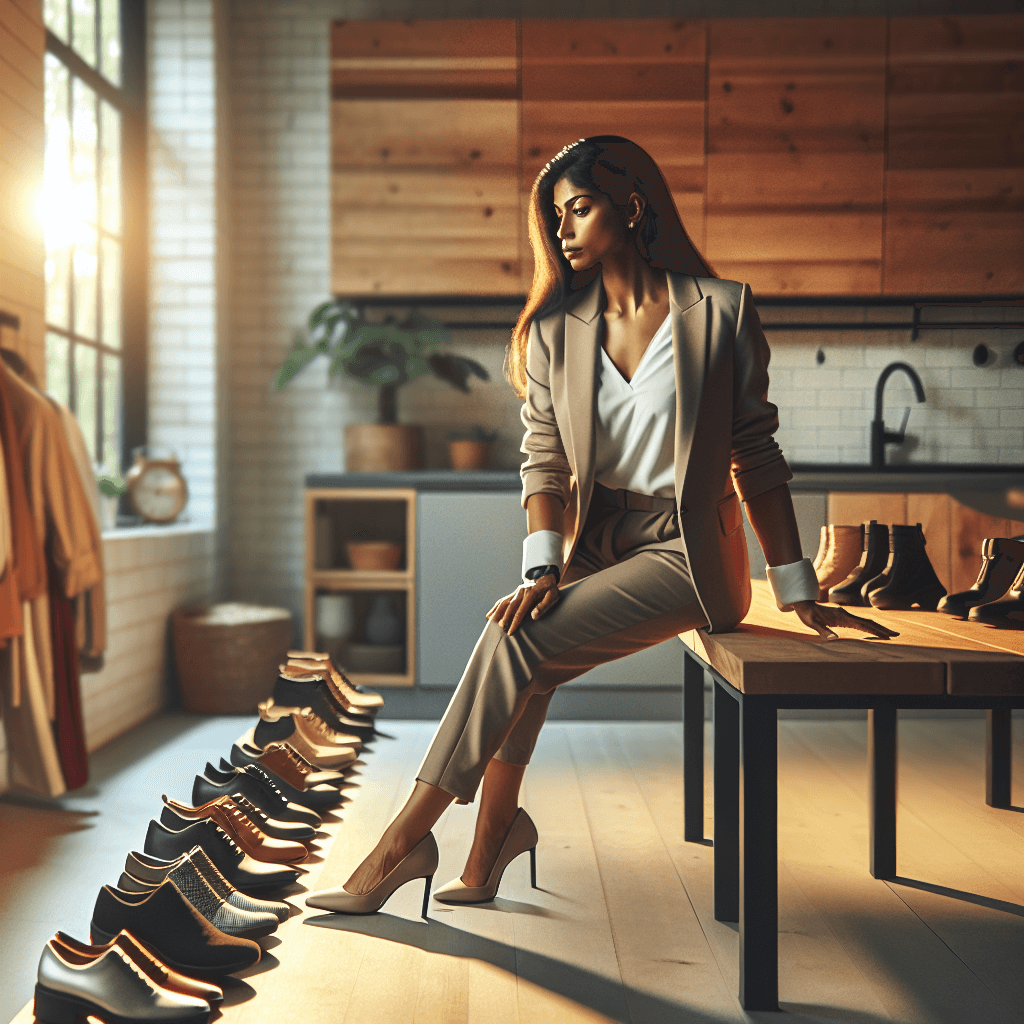
When buying shoes meant for long hours on your feet, several factors should influence your choice. One important feature is the heel-to-toe drop, which refers to the height difference between the back of the shoe (heel) and the front (toe). Having a slightly raised heel helps reduce tension on the plantar fascia (the tissue on the bottom of your foot) and your Achilles tendon.
A specialist in prosthetics and orthotics explains that many adults experience limited ankle motion as they age, which puts extra strain on the muscles in the middle of the foot. Adding some heel height—about 10 millimeters—can offload some stress and improve overall comfort by adjusting the mechanics of your stride.
Another crucial factor is arch support tailored to your foot's shape—whether you have low, medium, or high arches. You can easily observe your arch type by looking at your foot’s side profile in the mirror: if you see no space between your foot and the floor, you probably have low arches; a larger gap indicates high arches, while the middle range suggests medium arches.
People with flat or low arches often experience more foot pain and swelling, so choosing shoes that provide adequate support or the option to add cushioned insoles is especially important for them.
Don't overlook cushioning either: the more padding a shoe offers, the better your feet can handle prolonged standing. Terms like 'maximum cushioning' are great guideposts when looking for sneakers or casual shoes, although many dress shoes have started to offer comparable comfort features as well.
Last but not least, style plays a role in your shoe choice since not all workplaces welcome casual sneakers. For example, professionals working in office environments may need loafers or dress shoes with slight wedges or block heels to combine support and a polished look. There are fantastic options These include the Cole Haan Christyn Penny Loafer or the Sorel Joan Now City Loafer, both offering comfort without sacrificing style.
Sizing is another commonly overlooked element that can affect how comfortable your shoes are. Your feet might swell throughout the day, especially when standing or walking for long periods. It’s best to try on shoes later in the day when your feet are at their largest, ensuring you have enough room. Aim for at least a half-inch of extra space from your longest toe to the shoe’s front, and make sure the width is sufficient to prevent any pinching or pressure.
Sales On NOW... Don't Miss Out on Our Best Deals on Fitness!
Grab These Deals on Omega-3 Fish Oil Capsules Before They're Gone!
🖤 Buying through our links helps support our app at no extra cost to you 🖤
Follow Us
Help our community grow by following us on social media

Our Top Shoe Picks for Comfort and Support During Long Days on Your Feet
We collaborated with foot health experts, including podiatrists and orthotics professionals, to find the best shoes tested for long standing sessions. I personally put six pairs through their paces, standing and working at a desk most of the day, paying close attention to cushioning, support, heel height, arch type suitability, and style.
Our overall favorite is the Hoka Transport GTX. This shoe offers exceptional cushioning and reliable support, making it ideal for normal to medium arches. It’s also water-resistant thanks to its GORE-TEX material, which is practically invisible and keeps your feet dry without sacrificing style. Its quick-toggle laces make slipping the shoe on and off effortless, a feature I found especially handy during busy mornings.
For those who want a shoe that doubles for running and day-long comfort, the Asics Gel-Nimbus series is a solid choice. Loved by runners for years, this shoe has the perfect blend of maximum cushioning and an 8-millimeter heel drop, supporting medium to high arches. It’s roomy enough for wider feet and incredibly lightweight considering the plush padding, making it perfect for anyone expecting their feet to swell over the course of the day.
If plantar fasciitis is something you’re concerned about, the lululemon Beyondfeel running shoe is worth a close look. Designed specifically with the female foot in mind, this shoe offers a 10-millimeter heel-to-toe drop and extra forefoot cushioning that helps ease pressure on painful spots. While it has a slightly firmer feel compared to some others, it’s versatile enough for casual runs or long standing periods.
When dressier shoes are necessary, Cole Haan’s Christyn Penny Loafer blends classic looks with multiple cushioned layers that feel plush underfoot. The soft material gently cradles your feet, making it easy to forget you’re not wearing trainers. Although the toe box can feel a bit tight for wider feet, it’s an excellent option for balancing style and comfort during workdays.
Birkenstock’s wedge shoes are surprisingly supportive, especially due to their heel counter design, which hugs your heel for extra stability and helps avoid ankle fatigue. The footbed mimics the sensation of standing on soft sand, molding to your arch over time and becoming more comfortable the longer you wear them. These wedges also bring seasonal versatility, pairing well with dresses or socks in cooler weather.
For those who want a sleek, waterproof option with a heel, Sorel’s heeled loafer provides reliable traction and comfort without compromising on style. The removable foam footbed lets you customize support with your own insoles if needed. While the rubber sole's slight squeak might catch your attention on hardwood floors, the overall all-day comfort and professional appearance make it a strong contender.
Sales On NOW... Don't Miss Out on Our Best Deals on Fitness!
Grab These Deals on Daily Probiotic Capsules Before They're Gone!
🖤 Buying through our links helps support our app at no extra cost to you 🖤
Stay Updated with Women's Spot Insights
Get the latest women's health tips, wellness advice, and expert insights delivered directly to your inbox.
We respect your privacy. Unsubscribe at any time.
Additional Tips to Keep Your Feet Strong and Comfortable All Day Long
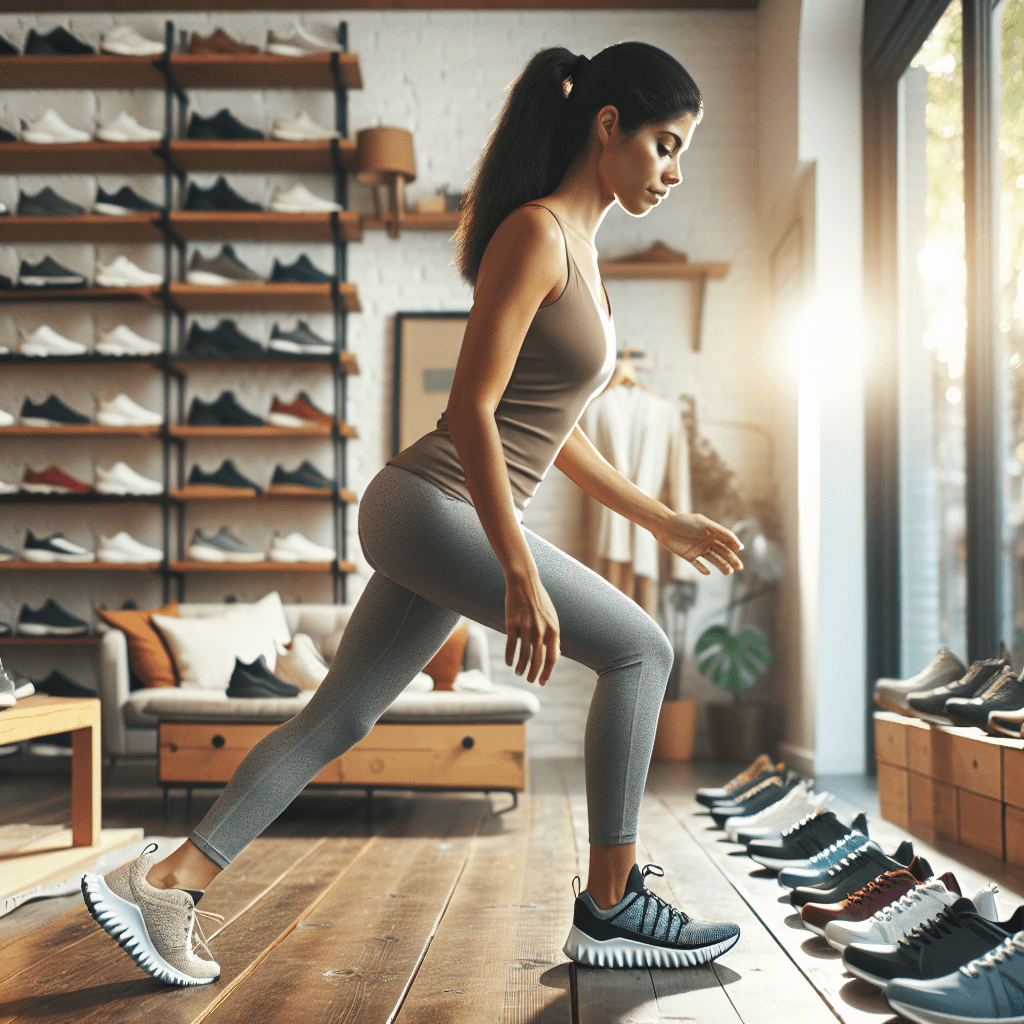
Choosing the right shoes is a huge step toward feeling better during long hours on your feet, but there’s more you can do to support your foot health and overall well-being. Strengthening key muscle groups around your core and lower body can improve your posture and reduce stress on your joints, which ultimately helps you stand more comfortably for extended periods.
Regular strength training focusing on your abdominals, lower back, and hips two to three times a week can make a significant difference. These muscles support your spine and pelvis, helping maintain proper alignment and reduce fatigue when you’re on your feet.
Engaging in additional weight-bearing activities like walking, yoga, or Pilates also helps keep those muscles strong and responsive. The stronger your support muscles are, the less strain your feet and joints endure when you’re standing.
It’s also beneficial to incorporate foot-specific exercises—like toe curls, arch lifts, and calf stretches—into your routine to enhance foot flexibility and strength. These simple practices can lessen foot pain, improve circulation, and increase stability.
Remember, taking breaks to sit or gently stretch throughout your day reduces undue pressure and helps keep your blood flowing. Wearing compression socks or using foot massagers could also provide relief if you spend long periods standing regularly.
With a combination of the right footwear, targeted exercises, and smart habits, you’ll be equipped to handle those long standing hours without sacrificing comfort or risking foot health.
Sales On NOW... Don't Miss Out on Our Best Deals on Fitness!
Grab These Deals on Vitamin D3 Supplements Before They're Gone!
🖤 Buying through our links helps support our app at no extra cost to you 🖤
Comments
No comments yet. Be the first to share your thoughts!
Selected articles just for you
Discover more articles in this category that might interest you

Sales On NOW... Don't Miss Out on Our Best Deals!
🖤 Buying through our links helps support our app at no extra cost to you 🖤