

Sales On NOW... Don't Miss Out on Our Best Deals on Health!
🖤 Buying through our links helps support our app at no extra cost to you 🖤
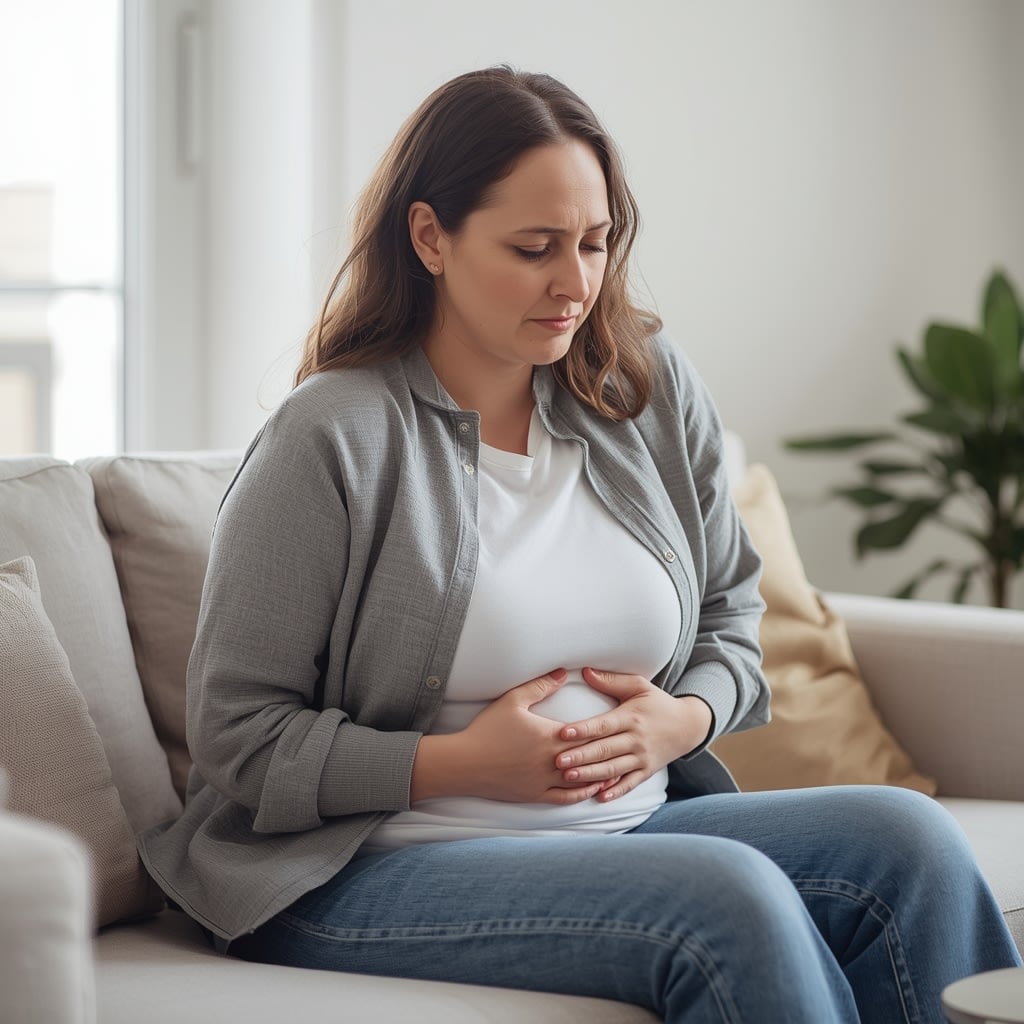
Effective Home Remedies to Ease Period Bloating According to OB-GYNs
Understanding Period Bloating: What Causes It and Why It Happens
Have you ever noticed that familiar feeling of puffiness and discomfort just before your period arrives? Period bloating is one of the most common signs signaling that your menstrual cycle is about to start. This sensation, often described as your belly feeling tight or swollen, affects a substantial number of women worldwide. Experts estimate that nearly 70 percent of women experience this type of bloating around their menstrual cycle, making it a very common concern.
The main culprit behind this uncomfortable symptom lies in the hormonal rollercoaster your body rides each month. Just before your period begins, your estrogen levels surge and then sharply drop, while progesterone, another important hormone, follows its own dramatic pattern. When estrogen rises, your body tends to hold on to extra water, leading to swelling. Meanwhile, progesterone slows down your digestive system, which can further contribute to a feeling of fullness and bloating. Together, these hormonal changes create what some might call a 'double hit' that explains why bloating can be so persistent during this time.


Sales On NOW... Don't Miss Out on Our Best Deals on Health!
Grab These Deals on Herbal Teas for Digestion Before They're Gone!
🖤 Buying through our links helps support our app at no extra cost to you 🖤
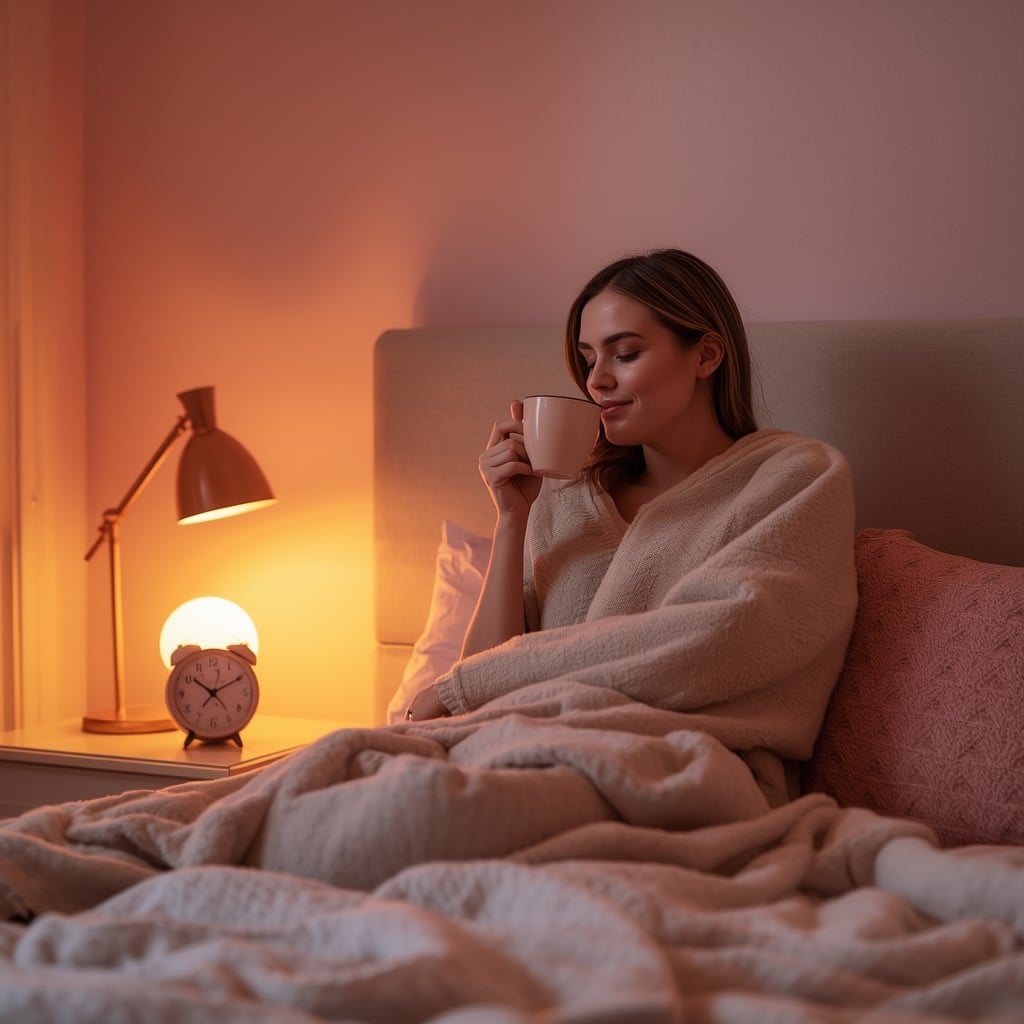
How Long Does Period Bloating Usually Last?
You might be wondering how long this uncomfortable bloated feeling sticks around. For many, bloating starts about a day or two before menstruation begins, but it can sneak up as early as five days in advance for some women. Generally, the bloating will ease up within a few days of your period starting and should return to normal after that. Understanding this timing can help you plan ahead and know that the discomfort is temporary.
The key to managing period bloating is learning what helps reduce it during the days surrounding your cycle. Thankfully, there are several straightforward lifestyle adjustments you can make, especially where your diet and physical activity are concerned. Simple swaps in your eating habits—such as choosing foods rich in potassium or cutting back on caffeine—along with keeping up with appropriate exercise can make a significant difference in easing that bloated sensation.
It’s completely normal to feel frustrated by bloating, especially when it makes you feel uncomfortable in your own skin or affects your day-to-day activities. But knowing you have some control over it can be empowering and help you feel better during that phase of your month.
Sales On NOW... Don't Miss Out on Our Best Deals on Health!
Grab These Deals on Potassium Supplements Before They're Gone!
🖤 Buying through our links helps support our app at no extra cost to you 🖤
Follow Us
Help our community grow by following us on social media
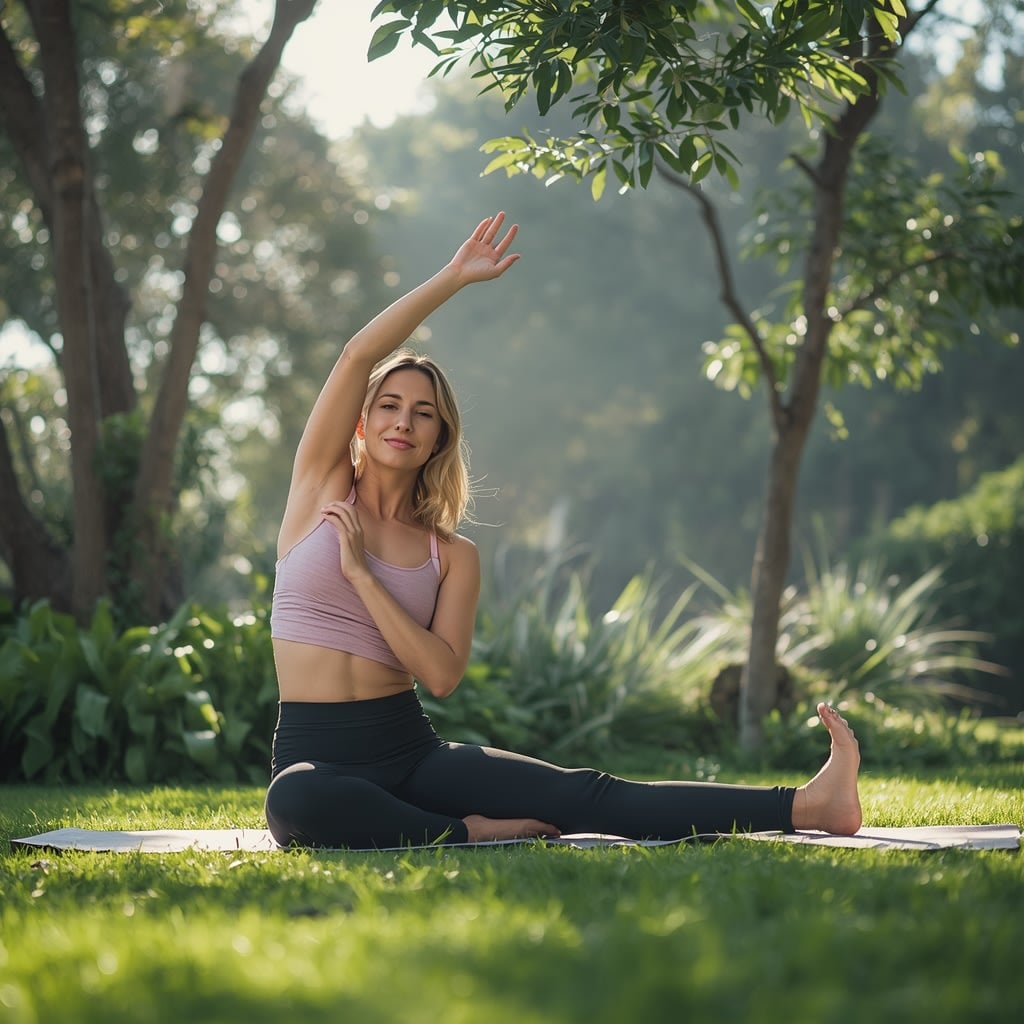
Practical Home Remedies to Combat Period Bloating
There are plenty of easy, natural remedies you can try right at home to fight off period-related bloating and help you feel more like yourself. Let’s explore some of the most effective approaches recommended by women’s health experts.
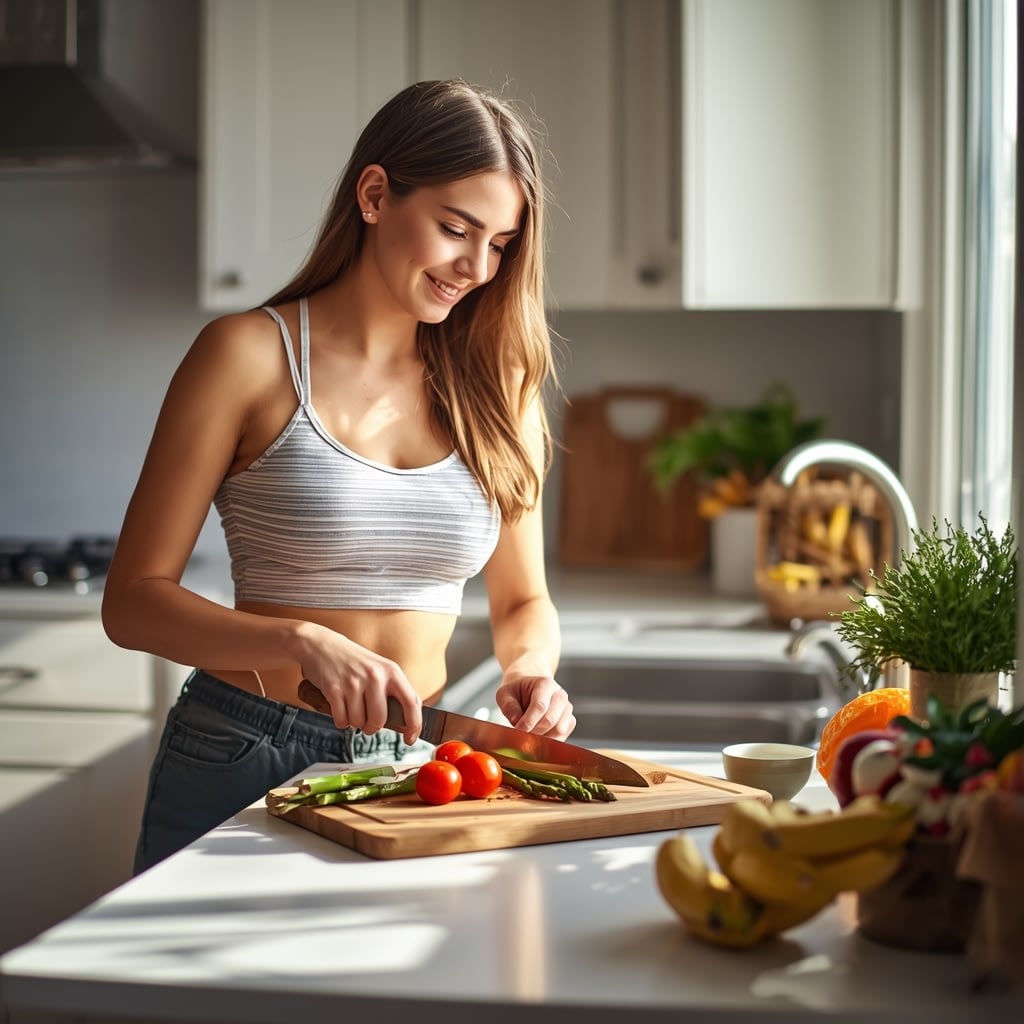
1. Prepare More Meals at Home: Cooking your own food gives you full control over what goes on your plate. Restaurant dishes and processed foods often contain hidden salt that can cause your body to retain water, making bloating worse. By making meals at home, you can reduce unnecessary salt intake and customize your dishes to support your well-being during your period.
2. Opt for Foods Rich in Potassium, Protein, and Healthy Fats: Eating foods high in potassium such as bananas, cantaloupe, tomatoes, and asparagus can help balance out your body’s fluid levels. Healthy fats found in chia seeds, nuts, and salmon also support overall health and reduce puffiness. Incorporating lean proteins like chicken, fish, and tofu adds nutritional value without contributing to bloating.
3. Include Natural Diuretic Foods: Certain foods encourage your body to get rid of excess water and can make you feel lighter. Celery, cucumbers, watermelon, lemon juice, garlic, and ginger are all natural diuretics that may ease bloating during your period. Adding these to your meals or snacks is a simple yet effective trick.
4. Don’t Leap into High-Fiber Diets Suddenly: While fruits and vegetables are important, an abrupt increase in fiber intake especially around your period could backfire by causing more bloating because your digestive system isn’t accustomed to it. Gradually introduce fiber-rich foods and pay attention to how your body reacts to avoid extra discomfort.
Sales On NOW... Don't Miss Out on Our Best Deals on Health!
Grab These Deals on Compression Belly Bands Before They're Gone!
🖤 Buying through our links helps support our app at no extra cost to you 🖤
Stay Updated with Women's Spot Insights
Get the latest women's health tips, wellness advice, and expert insights delivered directly to your inbox.
We respect your privacy. Unsubscribe at any time.
Exercise, Hydration, and Other Tips to Relieve Bloating Plus When to Consult a Doctor
5. Engage in Gentle Aerobic Activity: Light exercises like swimming, yoga, or walking can help stimulate your digestive system and promote regularity, which can relieve bloating. Studies have shown that consistent aerobic exercise over several weeks reduced PMS symptoms including bloating, making it one of the best natural remedies during this phase.
6. Limit Caffeine and Alcohol: Both alcohol and caffeine can exacerbate bloating and other premenstrual symptoms. Alcohol may worsen breast tenderness and mood swings, while caffeine can irritate your digestive tract and dehydrate you, causing your body to hold on to even more water. Cutting back during the days leading up to and during your period may greatly improve your comfort.
7. Stay Well Hydrated with Water and Herbal Teas: Drinking plenty of water is essential. Aim for at least eight glasses a day to help flush out excess fluids and reduce swelling. Herbal teas like green, peppermint, or fennel tea can soothe your digestive system and decrease inflammation, further helping you feel less bloated.
8. Prioritize Good Sleep: Getting enough rest is crucial. Sleep disturbances are common during menstruation due to discomfort, but rest is when your body processes excess fluid and can help regulate hormones. Try to get around eight hours nightly to assist in managing bloating and enhance your overall period experience.
If your bloating feels unusually severe, doesn’t align with your menstrual cycle, or becomes a persistent problem, it’s important to talk with your healthcare provider. They can help identify underlying causes and suggest personalized treatment plans. In some cases, doctors may recommend hormonal birth control or prescribe mild diuretics to ease symptoms safely.
Always be cautious when combining medications. For example, taking NSAIDs like ibuprofen along with diuretics can strain your kidneys, so always consult your doctor before mixing treatments. Remember, managing period bloating is about finding what works best for you and nurturing your body gently throughout your cycle.
Sales On NOW... Don't Miss Out on Our Best Deals on Health!
Grab These Deals on Foam Roller for Abdominal Massage Before They're Gone!
🖤 Buying through our links helps support our app at no extra cost to you 🖤
Comments
No comments yet. Be the first to share your thoughts!
Selected articles just for you
Discover more articles in this category that might interest you

Sales On NOW... Don't Miss Out on Our Best Deals!
🖤 Buying through our links helps support our app at no extra cost to you 🖤