

Sales On NOW... Don't Miss Out on Our Best Deals on Health!
🖤 Buying through our links helps support our app at no extra cost to you 🖤

Navigating Mammogram Screening: Clear Guidance on When You Should Start and What Experts Recommend
Why Mammogram Guidelines Can Feel Overwhelming and Confusing
If you’ve ever tried to figure out the perfect time to begin mammogram screenings, you know how confusing the advice can be. You might ask a few doctors and end up with varying suggestions about when to start and how often to schedule your mammograms. The truth is, there’s no universal answer that fits everyone perfectly.
Currently, different major health organizations offer somewhat different recommendations. For example, the American College of Radiology suggests discussing your breast cancer risk by your mid-twenties and beginning yearly mammograms at age 40 if you’re considered average risk. On the other hand, the American Cancer Society provides a more flexible approach, saying you might start screening anytime between ages 40 and 44 if you choose, then recommends annual screenings from 45 to 54, followed by mammograms every two years from 55 onward. Meanwhile, the U.S. Preventive Services Task Force advises mammograms every other year starting at age 40 and continuing up to age 74.
Adding to this complexity, some of these organizations have updated their advice over time based on new research and data. This can feel overwhelming to both patients and healthcare providers alike, leaving many women unsure about the best path forward when it comes to routine breast cancer screening.
The bottom line is: the mammogram guidelines you hear about might differ depending on which expert or organization you consult. However, one point on which everyone agrees is that with rising rates of breast cancer in younger women, starting screening earlier than past generations did could be increasingly important.


Sales On NOW... Don't Miss Out on Our Best Deals on Health!
Grab These Deals on Mammogram Screening Appointment Services Before They're Gone!
🖤 Buying through our links helps support our app at no extra cost to you 🖤
Breaking Down the Different Mammogram Recommendations from Key Medical Authorities
So why such mixed messages? First off, multiple organizations set mammogram recommendations, and each uses different criteria and interpretations of the latest research. Groups like the Society of Breast Imaging, American College of Physicians, and American College of Obstetricians and Gynecologists all have their own takes on timing and frequency. However, the U.S. Preventive Services Task Force plays a very influential role since their guidelines often shape government policies and insurance coverage.
The Task Force constantly reviews new medical studies and epidemiological data. Notably, their current guidance recommends beginning mammograms at age 40, lowering the starting age from their prior advice which suggested age 50 for average-risk women. This change comes after analyzing fresh data showing an increase in breast cancer cases among women in their early 40s, including some demographic-specific insights.
Another point of debate is how frequently mammograms should be performed. While some experts advocate annual screening, the Task Force recommends mammograms every two years. This recommendation stems from findings that more frequent, yearly screenings can increase false positives by as much as half, potentially leading to unnecessary follow-ups, anxiety, and procedures.
That said, other groups and individual doctors often interpret the data differently. For instance, the American College of Radiology supports yearly mammograms starting at age 40 because they believe this schedule offers the best chance to catch changes early without waiting too long between tests.
Sales On NOW... Don't Miss Out on Our Best Deals on Health!
Grab These Deals on Genetic Testing Kits for BRCA1 and BRCA2 Before They're Gone!
🖤 Buying through our links helps support our app at no extra cost to you 🖤

How to Understand Your Personal Breast Cancer Risk and What It Means for Mammograms
Knowing your own breast cancer risk is a vital step for making informed decisions about mammogram timing. Around your mid-twenties, it’s a good idea to consult with a genetic counselor who can help determine if you carry specific mutations, such as BRCA1 or BRCA2, known to significantly raise breast cancer risk. Testing positive for these or any other genetic variants linked to breast cancer means you’re classified as high risk and will need a more tailored screening plan.
Once genetic testing is complete, your primary care provider or gynecologist will likely conduct a risk assessment. This often involves using risk prediction models—like the Gail model or the IBIS model, which is currently regarded as one of the most precise tools available. These assessments consider various factors such as family history, reproductive history, and other medical conditions to calculate your personal likelihood of developing breast cancer over time.
Some factors that might elevate your breast cancer risk include: getting your first period very young or starting menopause later in life, never having children or having your first pregnancy later than average, genetic mutations linked to cancer, having close relatives with these mutations, a personal history of breast-related cancers or certain abnormal breast tissue conditions, prior radiation exposure to the chest during adolescence or early adulthood, or hereditary cancer syndromes. Dense breast tissue also increases both risk and the chance that cancers can be missed during screenings.
It’s important to work closely with your doctor to interpret these risk factors correctly. While there are online tools available, they are best used as guidance under medical supervision to avoid misunderstandings that could cause unnecessary worry or missed opportunities for early detection.
Sales On NOW... Don't Miss Out on Our Best Deals on Health!
Grab These Deals on Breast Cancer Risk Assessment Tools Before They're Gone!
🖤 Buying through our links helps support our app at no extra cost to you 🖤
Follow Us
Help our community grow by following us on social media

When Mammograms Should Begin Based on Your Risk and What Extra Screenings Might Be Needed
For women at average risk, the general advice is to start mammogram screenings around age 40. However, there’s some debate about whether to get screened every year or every two years. The U.S. Preventive Services Task Force recommends biennial screenings until about age 74. Other organizations suggest continuing screenings until life expectancy drops below 10 years or when your doctor advises it’s time to stop, emphasizing personalized care decisions.
The most practical advice is to have an open conversation with your healthcare provider to decide when and how often you should be screened. This way, your mammogram schedule aligns with your personal health profile, family history, and comfort level.
If you fall into the high-risk category, your screening needs get more specialized. After your risk has been formally assessed, consider getting referred to a dedicated high-risk breast health program. These specialized centers can connect you with oncologists, breast surgeons, or gynecologists trained in managing elevated breast cancer risk and help you explore prevention methods like medications or surgery.
Typically, high-risk women start mammograms earlier than 40. A common rule of thumb is to begin screening about 10 years before the age at which a close relative was diagnosed, but not before age 25. For example, if your mother was diagnosed at 45, starting at 35 would be reasonable.
Along with mammograms, additional imaging, such as annual MRI scans, might be advised. These combined approaches increase the chances of detecting cancers that mammograms alone might miss, particularly in dense breast tissue or genetically high-risk situations. With a strong medical team behind you, the process is much smoother than it might sound, as they coordinate the scheduling and follow-ups, leaving you mainly responsible for attending appointments.
Sales On NOW... Don't Miss Out on Our Best Deals on Health!
Grab These Deals on Breast MRI Scanners Before They're Gone!
🖤 Buying through our links helps support our app at no extra cost to you 🖤
Stay Updated with Women's Spot Insights
Get the latest women's health tips, wellness advice, and expert insights delivered directly to your inbox.
We respect your privacy. Unsubscribe at any time.
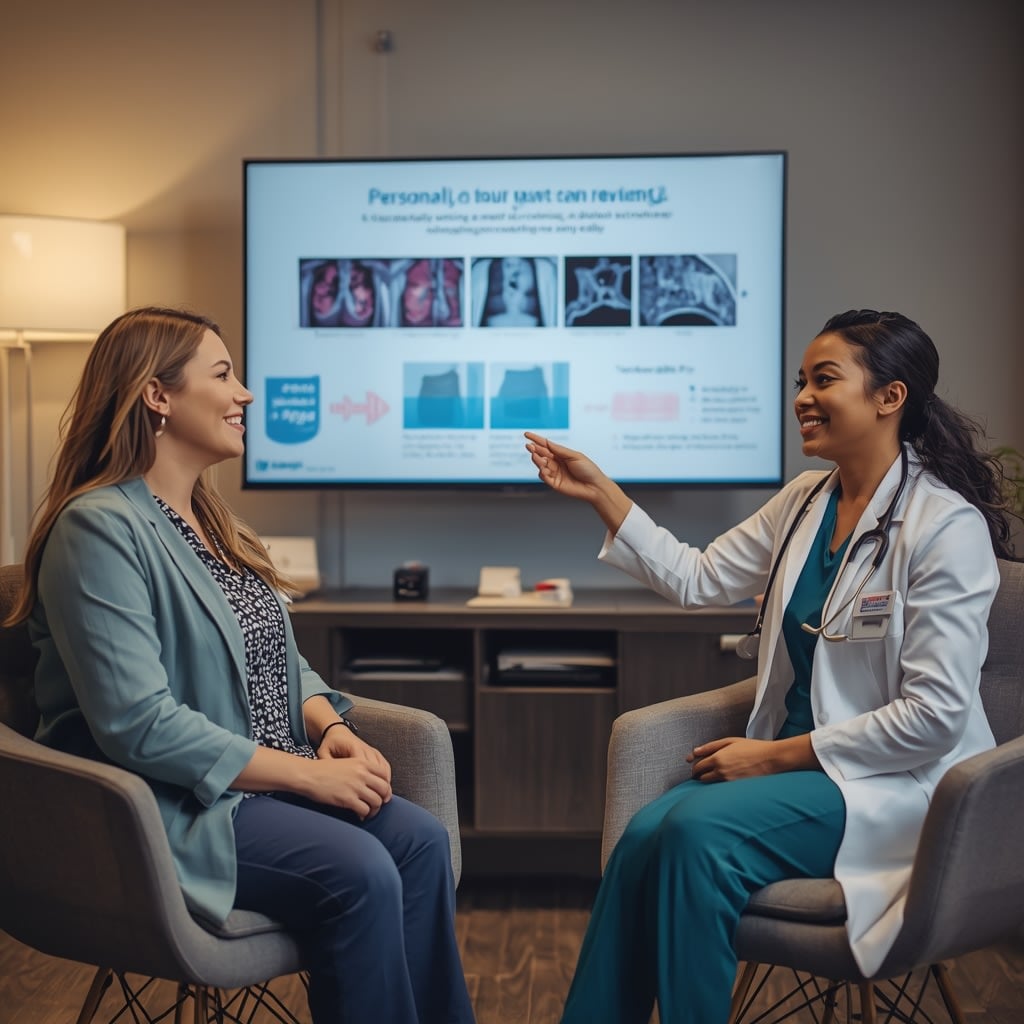
Special Considerations: Dense Breasts, Additional Testing, and Advocating for Your Health
Almost half of women aged 40 and above have dense breast tissue. While this can make mammograms less effective since dense tissue can hide cancers, it also slightly raises your risk of developing breast cancer. Unfortunately, the typical mammogram may miss up to 40 percent of cancers in women with the densest breasts.
The only way to know your breast density is through a mammogram, and nowadays, thanks to updated regulations, your mammogram results will include information about your breast density so you can stay informed. If you have dense breasts but are not otherwise at high risk, your doctor might suggest additional screening techniques such as yearly ultrasounds or MRIs. However, these additional tests may not always be covered by insurance, and costs can vary from a few hundred to over a thousand dollars out of pocket.
For those with dense breasts who are also at high risk due to genes or family history, an annual MRI alongside mammograms is typically recommended. Unfortunately, for women with dense breasts without other risk factors, there isn’t enough evidence yet to mandate extra screening tests universally, which can result in a gap where these women need to be more proactive about their breast health.
This situation highlights the importance of advocating for yourself by discussing your full risk profile with your radiologist and primary care doctor. If you feel your breast tissue density or other factors warrant additional screenings beyond routine mammograms, don’t hesitate to bring it up. Personalized care is key to early detection and peace of mind.
Overall, mammogram schedules and supplemental tests should always be designed around your unique risk factors and health history. Staying informed, maintaining regular communication with your healthcare team, and understanding your body will empower you to take control of your breast health.
Sales On NOW... Don't Miss Out on Our Best Deals on Health!
Grab These Deals on Breast Ultrasound Devices Before They're Gone!
🖤 Buying through our links helps support our app at no extra cost to you 🖤
Comments
No comments yet. Be the first to share your thoughts!
Selected articles just for you
Discover more articles in this category that might interest you

Sales On NOW... Don't Miss Out on Our Best Deals!
🖤 Buying through our links helps support our app at no extra cost to you 🖤