

Sales On NOW... Don't Miss Out on Our Best Deals on Health!
🖤 Buying through our links helps support our app at no extra cost to you 🖤
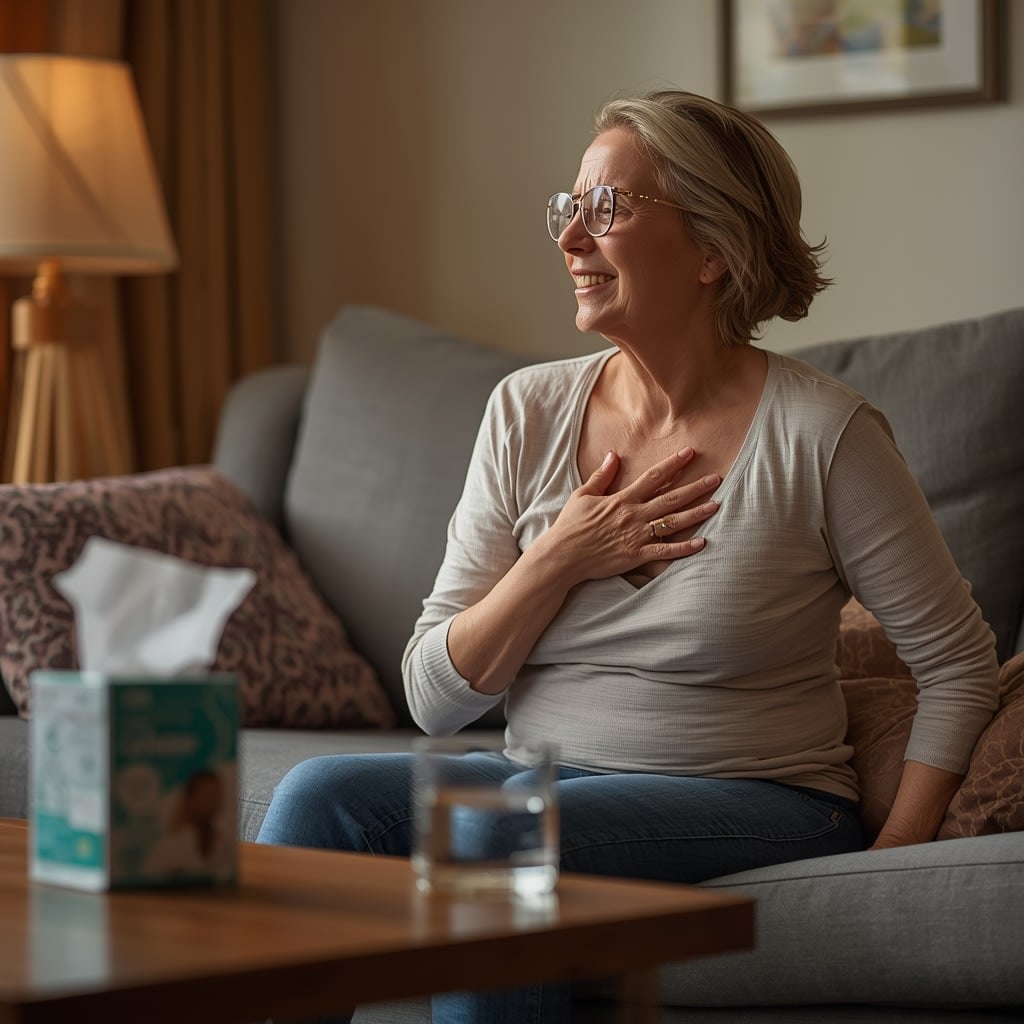
Recognizing the Signs of Walking Pneumonia and Understanding How Serious It Can Be, According to Doctors
Introduction to the Rising Cases of Walking Pneumonia and What It Means for You
As the cooler seasons settle in, respiratory illnesses often become more widespread, and walking pneumonia is one of the infections seeing an increase in cases across the country. According to recent insights from the Centers for Disease Control and Prevention, the number of people being diagnosed with walking pneumonia in emergency rooms is climbing, signaling a need for greater public awareness about this condition.
If you're wondering what walking pneumonia actually is, it’s a type of lung infection caused mainly by the bacteria Mycoplasma pneumoniae. Unlike typical pneumonia forms that often require hospitalization, walking pneumonia tends to be milder and people can continue their daily routines despite feeling unwell. This type of pneumonia has seen a noticeable uptick in cases especially since late spring, with numbers remaining high as the months progress. Understanding more about walking pneumonia can help you recognize symptoms early and manage your health better.


Sales On NOW... Don't Miss Out on Our Best Deals on Health!
Grab These Deals on Mycoplasma Pneumoniae Test Kits Before They're Gone!
🖤 Buying through our links helps support our app at no extra cost to you 🖤

Common Symptoms of Walking Pneumonia: How to Spot It and What to Watch For
Walking pneumonia is essentially an infection of your respiratory system which can produce a range of symptoms that vary from mild to more noticeable. One tricky aspect is that it might take between one to four weeks from the time of infection for symptoms to develop, meaning you might not immediately realize you're dealing with it.
Typical signs include feeling unusually tired, experiencing low-grade fevers, occasional chills, a persistent cough, and difficulty catching your breath. Among these, shortness of breath is often highlighted as a key symptom to watch closely. This can affect your ability to perform everyday tasks comfortably and may last for several weeks. If you notice these signs lingering or getting worse, it might be time to check in with your healthcare provider.
In addition to these, some people might experience mild chest discomfort or a sore throat, which are common in respiratory infections. While symptoms are generally not severe enough to confine someone to bed, they can still impact your quality of life and energy levels during the course of the illness.
Sales On NOW... Don't Miss Out on Our Best Deals on Health!
Grab These Deals on Respiratory Inhalers Before They're Gone!
🖤 Buying through our links helps support our app at no extra cost to you 🖤
Follow Us
Help our community grow by following us on social media

Understanding How Walking Pneumonia Differs from Traditional Pneumonia and Why That Matters
While walking pneumonia falls under the broad category of pneumonia, it's important to distinguish it from the more severe forms. Traditional pneumonia often leads to intense symptoms like high fever, sharp chest pain, and significant breathing difficulties that require medical intervention and sometimes hospital care.
In contrast, walking pneumonia is considered a milder illness where individuals usually feel well enough to keep up with their daily activities such as work, school, or household responsibilities. This difference in severity means that walking pneumonia can sometimes go unnoticed or may be mistaken for a common cold or mild bronchitis, which potentially delays treatment.
Recognizing this distinction is crucial because even though walking pneumonia tends to be less severe, it still needs proper attention to prevent complications. Being aware that your persistent cough or tiredness might be due to this mild pneumonia can lead you to seek timely advice and care.
Sales On NOW... Don't Miss Out on Our Best Deals on Health!
Grab These Deals on Antibiotic Medications for Pneumonia Before They're Gone!
🖤 Buying through our links helps support our app at no extra cost to you 🖤
Stay Updated with Women's Spot Insights
Get the latest women's health tips, wellness advice, and expert insights delivered directly to your inbox.
We respect your privacy. Unsubscribe at any time.

Treatment Options, Possible Risks if Left Untreated, and How to Protect Yourself
Walking pneumonia is typically treated with a course of antibiotics that target the Mycoplasma pneumoniae bacteria responsible for the infection. Thanks to antibiotic treatment, most people experience a faster recovery and a reduction in symptom severity when compared to those who do not receive medication.
However, not all cases require antibiotics as this type of bacteria doesn’t always lead to full-blown pneumonia. Sometimes, it can cause just mild cold-like symptoms which resolve on their own. That said, if left untreated, walking pneumonia can potentially lead to more serious health issues, such as asthma flare-ups, brain inflammation known as encephalitis, breakdown of red blood cells called hemolytic anemia, kidney complications, or skin problems like Stevens-Johnson syndrome and other rare rashes.
It’s reassuring to know that these complications are uncommon and don’t happen to everyone who experiences walking pneumonia. Usually, your body can fight off the infection without aggressive intervention, but antibiotics can make the healing process smoother and quicker.
When it comes to adults, while walking pneumonia is more frequently observed in young children aged two to four, adults can still catch it. So, it's a good idea to keep it in mind if you or someone you care for experiences lingering respiratory symptoms. It’s not something to panic about but staying informed can help you respond appropriately.
Since there’s no vaccine currently available to prevent walking pneumonia, the best defense involves regular measures similar to those we use to avoid respiratory infections in general. Practicing diligent hand washing, steering clear of individuals who show obvious signs of illness, and wearing a mask in crowded indoor spaces can help reduce your risk of catching or spreading the bacteria.
Sales On NOW... Don't Miss Out on Our Best Deals on Health!
Grab These Deals on Pulse Oximeters Before They're Gone!
🖤 Buying through our links helps support our app at no extra cost to you 🖤
Comments
No comments yet. Be the first to share your thoughts!
Selected articles just for you
Discover more articles in this category that might interest you

Sales On NOW... Don't Miss Out on Our Best Deals!
🖤 Buying through our links helps support our app at no extra cost to you 🖤