

Sales On NOW... Don't Miss Out on Our Best Deals on Health!
🖤 Buying through our links helps support our app at no extra cost to you 🖤

Understanding \"Popcorn Brain\": Signs, Causes, and Tips to Regain Your Focus
What Exactly is \"Popcorn Brain\"?
Imagine trying to send an important email for work, but in just a few minutes, you find yourself scrolling through Instagram multiple times, tidying up your inbox, and chatting with friends about evening plans — all while that crucial email remains unfinished. If you've experienced this kind of distraction lately, you might be facing what some psychologists call \"popcorn brain.\" This term captures the experience when your mind flits quickly from one thought to another without really settling on any single idea.
The phrase \"popcorn brain\" was coined to liken scattered thoughts to popcorn kernels popping rapidly in a pot. Clinical psychologist and yoga therapist Dr. Leslie Daly explains that due to the immense amount of digital media and internet tasks we engage in daily, maintaining focus has become increasingly challenging. Many of us feel like our thoughts are bouncing wildly, unable to stay anchored. However, it is important to remember that \"popcorn brain\" is not a formal medical diagnosis and does not appear in manuals like the DSM. Unlike ADHD, which is a well-recognized neurodevelopmental disorder involving persistent patterns of inattention or hyperactivity that interfere with daily life, popcorn brain is more about the environmental impact on your ability to concentrate.


Sales On NOW... Don't Miss Out on Our Best Deals on Health!
Grab These Deals on Meditation and Mindfulness Apps Before They're Gone!
🖤 Buying through our links helps support our app at no extra cost to you 🖤
Signs to Recognize If You Have \"Popcorn Brain\"
If you often find your attention drifting from one thing to another, it might be a sign of popcorn brain. Clinical health psychologist Dr. Jennifer Wolkin points out that this phenomenon can manifest in various ways depending on individual habits and media consumption. For example, frequent multitasking across multiple devices or rapid consumption of highly stimulating content can intensify these symptoms.
Typical indicators include scattered and disjointed thoughts, feeling emotionally detached or uninterested in conversations, hopping quickly between topics when talking with others, chronic distractibility, difficulty completing tasks, mental fatigue, and an overall sense of being overwhelmed. These signs can impact your productivity and emotional well-being, making it crucial to develop strategies to regain control over your focus.
Many who experience popcorn brain also report feeling frustrated by their inability to concentrate and finish even simple tasks. This often results in decreased motivation and a sense that life is moving too fast to keep up. Recognizing these symptoms early can help you take steps to manage your mental state.
Sales On NOW... Don't Miss Out on Our Best Deals on Health!
Grab These Deals on Blue Light Blocking Glasses Before They're Gone!
🖤 Buying through our links helps support our app at no extra cost to you 🖤

Why Does \"Popcorn Brain\" Happen? Exploring the Causes
The primary driver behind popcorn brain is the excessive use of technology. Social media platforms, apps, and digital devices stimulate your brain's reward pathways, creating a craving for frequent bursts of positive reinforcement. For instance, when you get likes or comments on a social media post, it triggers a feel-good response that your brain starts to anticipate repeatedly. This cycle conditions your mind to seek constant stimulation, making it difficult to stay focused on less immediately rewarding activities.
This mechanism is known as intermittent reinforcement, where rewards come at unpredictable intervals, keeping the brain engaged and craving more. Almost every digital interaction—from TikTok comments to Instagram likes—provides this unpredictable feedback, making it easy to become hooked on quick hits of dopamine. Studies from 2026 reveal that just having your phone nearby can reduce your concentration and cognitive performance when you're trying to work on a task.
Another factor contributing to popcorn brain is the diminishing attention span in modern society. With the overwhelming amount of content created every day, our brains find it harder to maintain prolonged focus on any single thing. Although there is limited long-term research to definitively prove a decline in attention spans, a 2026 survey by the Centre of Attention Studies at King\'s College London found that half of adults feel their attention spans have shortened over time, and most report constant competition for their focus from various digital media sources.
Sales On NOW... Don't Miss Out on Our Best Deals on Health!
Grab These Deals on Time Management Planners Before They're Gone!
🖤 Buying through our links helps support our app at no extra cost to you 🖤
Distinguishing \"Popcorn Brain\" from ADHD
It\'s important to understand the difference between popcorn brain and ADHD, as the two are often confused but are fundamentally distinct. Popcorn brain typically results from environmental factors impacting how your brain responds to constant digital stimulation. On the other hand, ADHD is a lifelong neurological condition characterized by patterns of inattention, hyperactivity, and impulsivity that interfere significantly with daily functioning.
ADHD is diagnosed based on specific criteria and usually identified in childhood, though adults can also experience symptoms. According to a 2026 report, approximately 7 million children in the U.S. have been diagnosed with ADHD, a number that has grown over recent years. Adults may also have ADHD but often show variations in how symptoms express themselves, including inattentiveness, impulsivity, or a mix of both.
People with hyperactive or impulsive ADHD might have trouble sitting still, interrupt conversations, or take risks more readily, while those with inattentive ADHD usually struggle with forgetfulness, short attention spans, and organizing tasks. Popcorn brain, by contrast, is more about experiencing scattered thoughts and distraction due to overstimulation but without the clinical diagnosis or permanence associated with ADHD.
Sales On NOW... Don't Miss Out on Our Best Deals on Health!
Grab These Deals on Noise Cancelling Headphones Before They're Gone!
🖤 Buying through our links helps support our app at no extra cost to you 🖤
How to Manage and Reduce \"Popcorn Brain\" Effectively
If you suspect that your constantly distracted mind is due to popcorn brain, there are practical strategies to regain your focus and mental clarity. Firstly, breaking down large tasks into smaller, manageable chunks can make a big difference. This technique, known as \"chunking,\" helps avoid feelings of overwhelm by allowing you to concentrate on one step at a time, making your goals feel achievable and less intimidating.
For example, instead of trying to reply to an entire inbox full of emails at once, start with a few at a time. This approach helps your brain maintain attention and keeps procrastination at bay.
Secondly, working on regulating your nervous system through mindfulness and meditation can improve your ability to concentrate. Mindfulness practices train your brain to focus fully on the present moment, reducing impulses to switch tasks. Even simple exercises like focusing on your breath or spending a few minutes outside noticing sensations can help calm your thoughts and increase mental control.
Third, using distress tolerance techniques such as jotting down distracting thoughts can be quite helpful. This method is part of dialectical behavioral therapy (DBT), where acknowledging your scattered thoughts by writing them down reassures your brain that these concerns will be addressed later, which reduces the urge to act on every distraction immediately.
Finally, incorporating screen breaks and establishing mindful media habits can greatly protect your focus. This might include setting specific times to check your phone or social media, using one device at a time, and turning screens off an hour before bed. Taking regular breaks from digital devices and making time for offline activities can improve your attention span and overall well-being. Setting app limits or completely uninstalling distracting apps for set periods are effective tactics to reduce digital overload.
By implementing these changes, you can create a healthier balance between technology use and mental clarity, leading to improved productivity and emotional health.
Sales On NOW... Don't Miss Out on Our Best Deals on Health!
Grab These Deals on Stress Relief Essential Oil Diffuser Before They're Gone!
🖤 Buying through our links helps support our app at no extra cost to you 🖤
Stay Updated with Women's Spot Insights
Get the latest women's health tips, wellness advice, and expert insights delivered directly to your inbox.
We respect your privacy. Unsubscribe at any time.

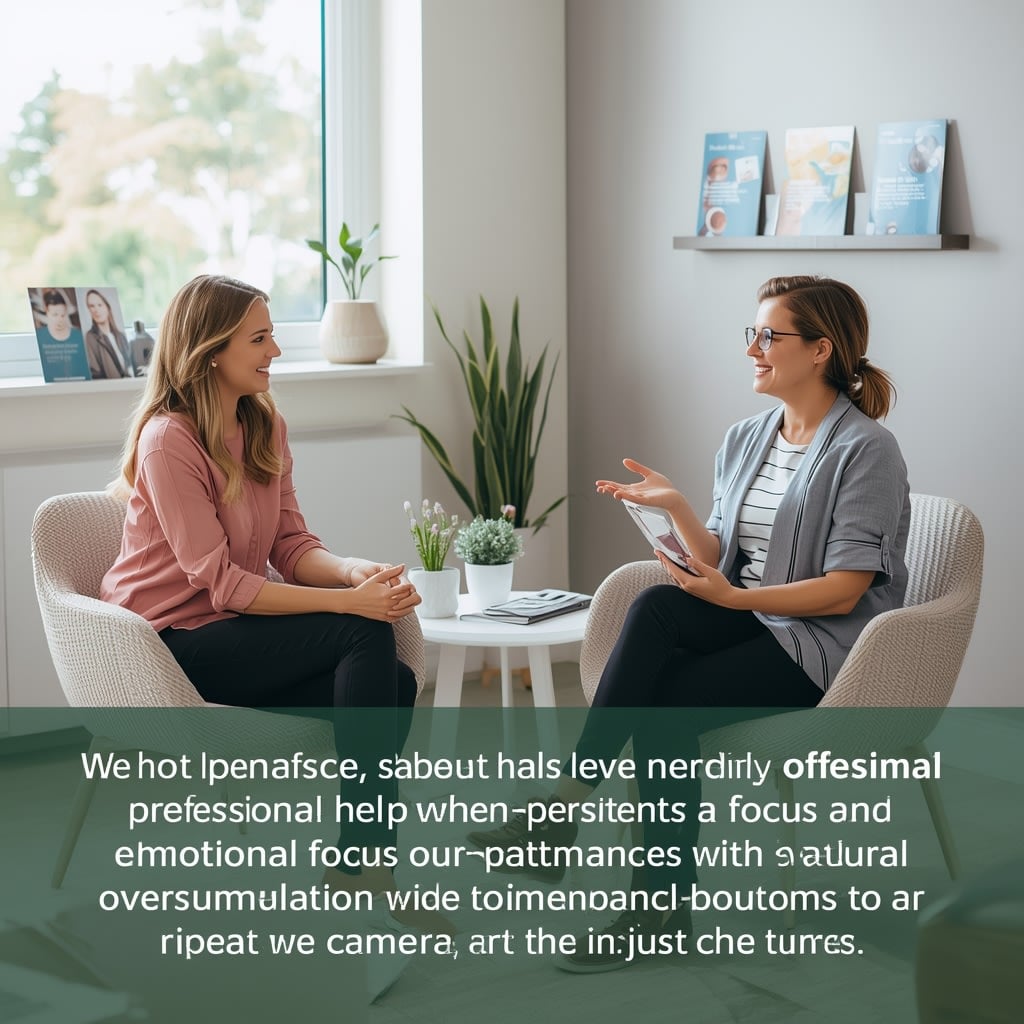
When Should You Consider Professional Help?
While popcorn brain symptoms can often be managed with lifestyle adjustments, there are times when seeking professional advice is important. If you notice physical signs such as ongoing fatigue, frequent headaches, eye strain, or if you find yourself increasingly relying on substances like alcohol to help quiet your restless thoughts, it might be a signal to consult a healthcare provider.
Additionally, if feelings of overwhelm, stress, sadness, or a decline in performance at school or work start to seriously affect your life, getting help from a psychologist or physician can provide relief and guidance. Emotional disconnection and loneliness, especially when you withdraw from family and friends due to constant digital distractions, are also warning signs worth addressing.
The encouraging news is that many experience significant improvement simply by reducing digital media consumption and adjusting daily habits, underscoring the impact of environment on your ability to focus. However, when self-help strategies aren\'t enough, professionals can offer assessments, therapies, and support tailored to your specific needs.
To find a trusted provider, you can seek referrals from your primary doctor, check your insurance network, or discover licensed therapists via reputable online platforms. Taking this step shows you care about reclaiming your attention and mental health, which is essential in our fast-paced, digitally charged world.
Sales On NOW... Don't Miss Out on Our Best Deals on Health!
Grab These Deals on Digital Detox Guides Before They're Gone!
🖤 Buying through our links helps support our app at no extra cost to you 🖤
Comments
No comments yet. Be the first to share your thoughts!
Selected articles just for you
Discover more articles in this category that might interest you

Sales On NOW... Don't Miss Out on Our Best Deals!
🖤 Buying through our links helps support our app at no extra cost to you 🖤