

Sales On NOW... Don't Miss Out on Our Best Deals on Health!
🖤 Buying through our links helps support our app at no extra cost to you 🖤

What Ozempic Really Does to Your Brain, According to Doctors Who Prescribe It
How Ozempic Influences Your Brain and Body Connection
You may already know that Ozempic can have a significant effect on your body, especially when it comes to weight loss and managing diabetes. However, what might surprise you is how this medication also creates notable changes in your brain’s function and chemistry.
Drugs like Ozempic, which belong to a group called GLP-1 receptor agonists, don’t just influence your body’s metabolism. They interact with complex systems linking your gut and brain to help reduce hunger, curb cravings, and make you feel fuller for longer periods. This synchronized effect plays a key role in why these medications support weight loss, sometimes helping individuals shed anywhere from 15% up to 20% of their body weight within a year.


Sales On NOW... Don't Miss Out on Our Best Deals on Health!
Grab These Deals on GLP-1 Receptor Agonist Medications Before They're Gone!
🖤 Buying through our links helps support our app at no extra cost to you 🖤
Understanding the Gut-Brain Axis and GLP-1’s Role in Appetite Regulation
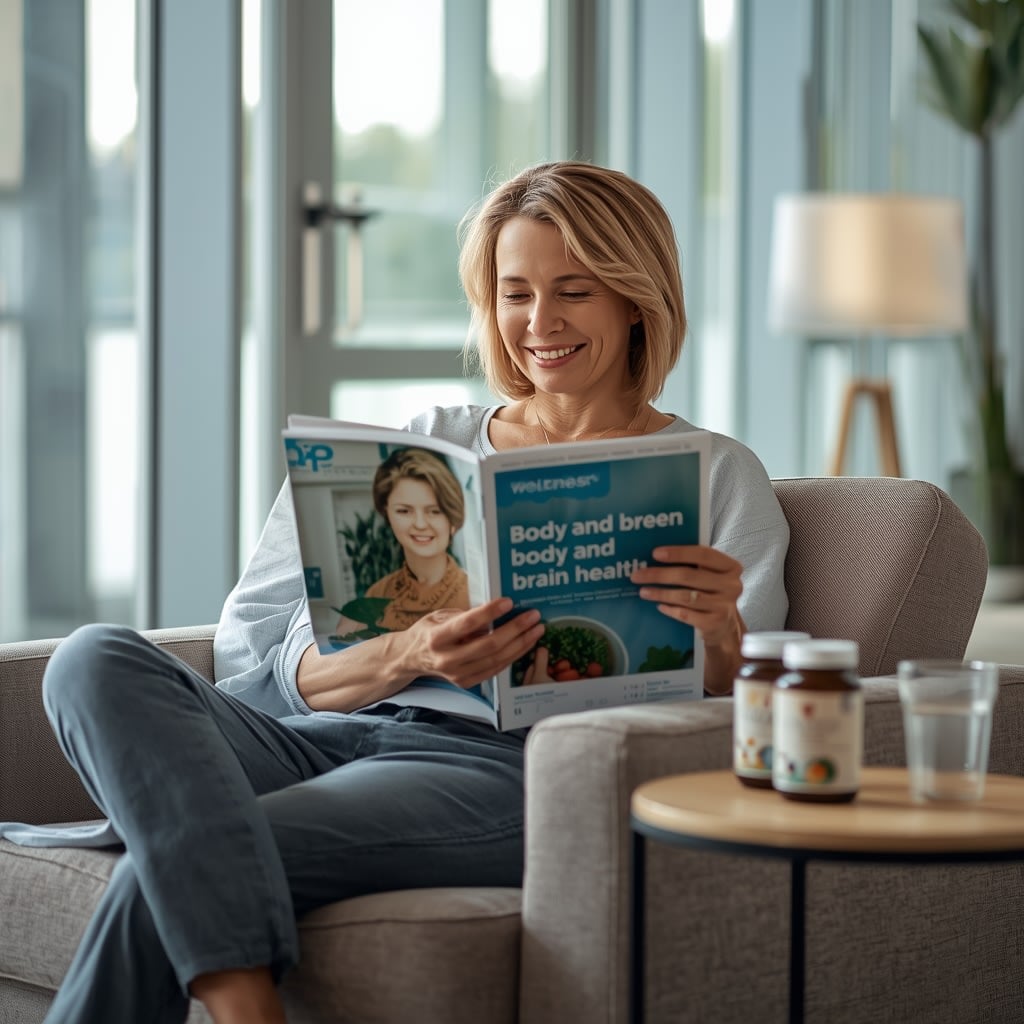
One fascinating aspect of GLP-1 medications, including Ozempic, is how they work along the gut-brain axis—a communication highway between your digestive system and brain that regulates hunger and fullness cues. According to bariatric surgeons and obesity specialists, these medications mimic a natural hormone released not only in your gut but also in your brain, which signals when you’ve had enough to eat.
When this hormone’s balance is disrupted, often due to genetic factors and environmental influences like a diet rich in ultra-processed foods, it can affect how your brain responds to hunger and satiety signals. Such disruptions alter hormone function and neural pathways that control not just how quickly you gain weight, but also how difficult it might be to lose, and even where fat tends to accumulate in the body.
This explains why the common advice to simply 'eat less' is often impractical—because it overlooks the complex hormonal and neurological factors involved in body weight regulation. GLP-1 medications act to restore this hormonal feedback loop, helping your brain regain a more natural sense of fullness and reduce overeating tendencies.
Sales On NOW... Don't Miss Out on Our Best Deals on Health!
Grab These Deals on Blood Glucose Monitoring Devices Before They're Gone!
🖤 Buying through our links helps support our app at no extra cost to you 🖤
Follow Us
Help our community grow by following us on social media

How Ozempic Affects Pleasure and Cravings Through Brain Chemistry
Most experts believe that GLP-1 drugs mainly target the hypothalamus, a primal region of the brain responsible for driving basic instincts such as hunger, reproduction, and reward-seeking behavior. By influencing this area, Ozempic may calm down the brain’s 'addiction center,' which often compels people to seek out pleasurable but unhealthy foods.
Interestingly, foods common in the Western diet—packed with processed ingredients and additives—are known to trigger addictive responses similar to those caused by other substances. Ozempic appears to modulate dopamine levels, the neurotransmitter heavily involved in reward and addiction. It seems to reduce the dopamine surge that makes sugary or fatty snacks so tempting, thereby helping to reduce cravings and decrease the desire for these foods.
Users of Ozempic often report changes in food preferences, noticing that processed sweets and rich, savory items become less appealing over time. Some even say foods taste different or less intense. Studies support these observations, showing a shift away from high-fat and sweet foods during the active weight loss phase on GLP-1 treatment. This change in appetite quality can be a major factor in sustaining long-term weight loss.
Sales On NOW... Don't Miss Out on Our Best Deals on Health!
Grab These Deals on Weight Loss Supplements Before They're Gone!
🖤 Buying through our links helps support our app at no extra cost to you 🖤
Stay Updated with Women's Spot Insights
Get the latest women's health tips, wellness advice, and expert insights delivered directly to your inbox.
We respect your privacy. Unsubscribe at any time.
Beyond Weight Loss: The Broader Brain Benefits of GLP-1 Medications
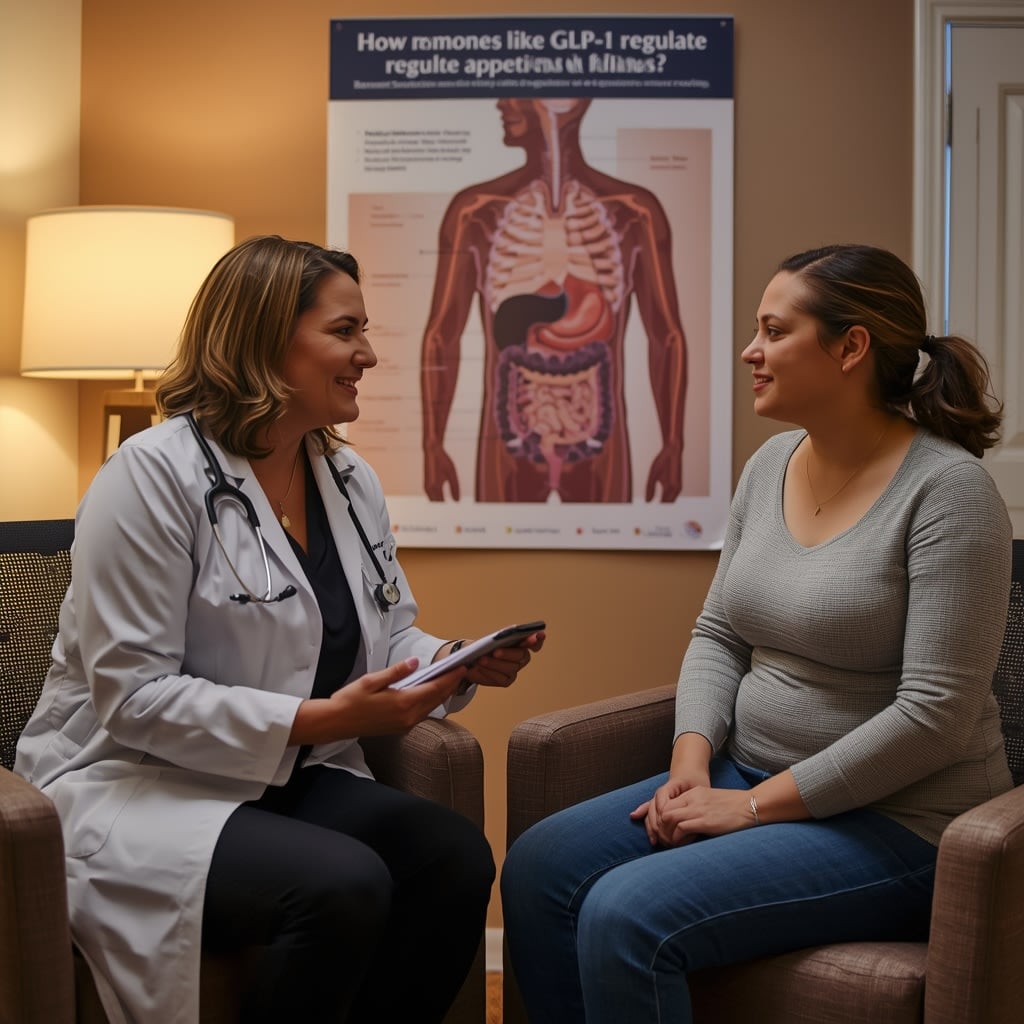
The effects of Ozempic and similar medications reach beyond controlling appetite—they might also have promising benefits for treating various brain-related conditions. For instance, early research suggests that GLP-1 agonists may help reduce addictive behaviors involving substances such as alcohol, nicotine, and opioids by dampening the brain's reward pathways.
A large-scale analysis of health data found that those using GLP-1 drugs had a lower incidence of alcohol-related problems, suggesting these medications could eventually be part of treatment plans for substance use disorders. While research is ongoing, it's thought that the same hypothalamic pathways that reduce food cravings also play a role in these potential benefits.
However, a side effect observed in a very small group of users is a condition called anhedonia, where individuals experience reduced enjoyment from activities they previously loved. This may be due to a general decrease in brain reward system activity caused by the medication. Still, such cases are rare and closely monitored by healthcare providers.
Another exciting avenue is the possibility that GLP-1 drugs may improve overall brain health. Studies link these medications to a lower risk of neurodegenerative diseases like Alzheimer's, particularly in people with type 2 diabetes. The reasons might be related to the drug’s anti-inflammatory properties and its role in stabilizing blood sugar levels—both crucial factors in brain health.
Although much is yet to be learned about how exactly GLP-1 medications work within the brain, early findings show promising potential: they not only help reduce cravings and tackle obesity, but may also support addiction recovery and protect against dementia, making their impact truly noteworthy.
Sales On NOW... Don't Miss Out on Our Best Deals on Health!
Grab These Deals on Dopamine Support Supplements Before They're Gone!
🖤 Buying through our links helps support our app at no extra cost to you 🖤
Comments
No comments yet. Be the first to share your thoughts!
Selected articles just for you
Discover more articles in this category that might interest you

Sales On NOW... Don't Miss Out on Our Best Deals!
🖤 Buying through our links helps support our app at no extra cost to you 🖤