

Sales On NOW... Don't Miss Out on Our Best Deals on Intimacy!
🖤 Buying through our links helps support our app at no extra cost to you 🖤
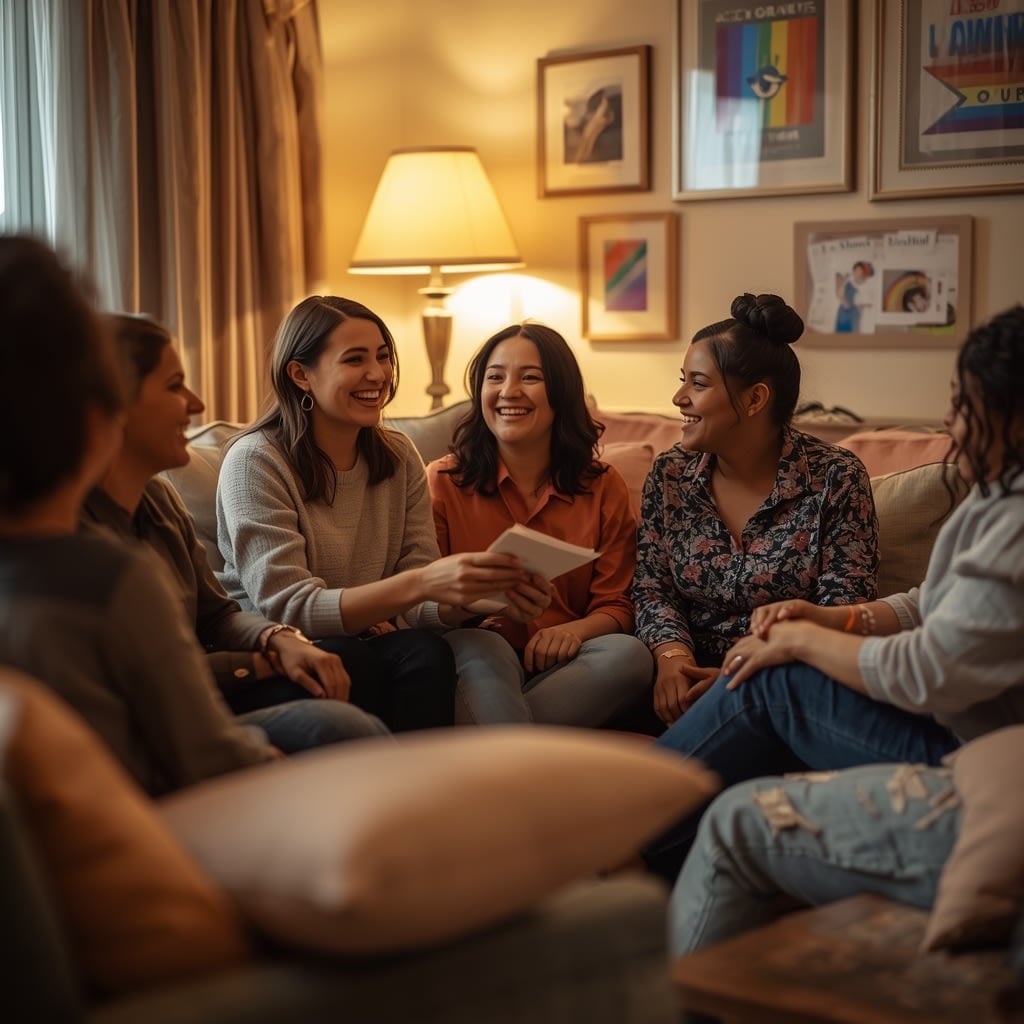
The Truth Behind the Lesbian 'U-Haul' Stereotype: What Relationship Experts Really Say
Understanding the Origin of the 'U-Haul' Joke and Its Impact on Lesbian Relationships
If you've spent any time in queer circles, especially around lesbian communities, you’ve probably heard the classic joke: 'What do lesbians bring to their second date? A U-Haul.' This line, popularized by a stand-up comedian's appearance on a late-night show in the early 90s, quickly became more than just a quirky punchline; it morphed into a stereotype that followed lesbian relationships in broader culture.
Sex and relationship therapists note that while this joke helped increase visibility for lesbian relationships, it also reinforced misconceptions. Originally an inside joke among queer people, it became something that was repeated outside the community, often stripped of its playful tone and instead used as a way to stereotype lesbian couples as rushing into moving in together too quickly.


Sales On NOW... Don't Miss Out on Our Best Deals on Intimacy!
Grab These Deals on Couples Therapy Workbooks Before They're Gone!
🖤 Buying through our links helps support our app at no extra cost to you 🖤
Why Lesbian and Queer Relationships Sometimes Feel Like They Move Fast
There’s definitely some relatable truth behind the joke for many. For instance, you might find yourself leaving personal items at your partner’s place or expressing love earlier than you ever did in past relationships. For many lesbians and queer couples, relationships often seem to develop at a speed that surprises others, especially when it comes to emotional intimacy and cohabitation.
According to therapists specializing in LGBTQ+ relationships, lesbian couples tend to dive deep into emotional and personal conversations from early on, skipping over small talk and getting to the heart of their relationship quickly. This accelerated emotional connection can create a feeling that the relationship has been going on much longer than it actually has, which in turn makes traditional relationship timelines—like waiting several months or years before moving in together—feel less relevant or too rigid.
Importantly, experts remind us that there’s nothing wrong with moving at the pace that feels right for you and your partner. Each relationship is unique, and societal expectations or norms shouldn’t dictate when you hit milestones like defining your relationship or sharing a home.
Sales On NOW... Don't Miss Out on Our Best Deals on Intimacy!
Grab These Deals on Relationship Communication Guidebooks Before They're Gone!
🖤 Buying through our links helps support our app at no extra cost to you 🖤

Dispelling Myths with Data: Lesbian Couples Don't Actually Move Faster Than Others
Contrary to popular belief, recent studies and expert analysis show that lesbian couples do not consistently move in together faster than heterosexual couples. Development in relationships is influenced more by factors like age and life circumstances than by gender or sexual orientation.
One study found no significant differences in cohabitation rates once you control for the ages of the partners. Furthermore, surveys show that only a minority of lesbian and gay women feel they move in together 'too quickly,' which aligns closely with feelings reported by heterosexual couples. Essentially, romantic relationships, regardless of sexual orientation, move at their own natural pace depending on the individuals involved and their unique situations.
What can influence some queer couples to feel they move faster is often external: a smaller dating pool and social factors that create a sense of urgency or scarcity when it comes to finding compatible partners.
Sales On NOW... Don't Miss Out on Our Best Deals on Intimacy!
Grab These Deals on LGBTQ+ Relationship Support Books Before They're Gone!
🖤 Buying through our links helps support our app at no extra cost to you 🖤
The Role of Dating Pool Size, Representation, and Emotional Dynamics in Relationship Progression
For many queer individuals, especially those outside of large urban centers, dating options are limited. With estimates suggesting that only a small percentage of the population identify as queer—and even fewer in rural areas—there can be an unconscious push to move quickly when a good connection is found, given the scarcity of opportunities.
Dating apps sometimes compound this problem. Queer users often run out of nearby potential matches quickly, leading to a mindset of 'locking in' promising relationships before options seem to disappear. This feeling is particularly pronounced for people who seek partners with specific identities or cultural backgrounds.
Media representation also plays a significant part. For decades, queer relationships were either erased or portrayed as dysfunctional on screen. Shows that depicted lesbian couples often focused on tumultuous storylines rather than healthy, stable partnerships. This lack of positive role models can pressure queer people to commit strongly when they find someone good, sometimes fearing they might not get another chance.
Additionally, stereotypes about women being more emotionally driven and doing more emotional labor may make lesbian couples seem like they progress emotionally faster. While women generally take on more emotional work in relationships, this can lead to quicker intimacy if both partners are open and communicative, unlike situations where one partner is less emotionally engaged, often seen in some heterosexual pairings.
Sales On NOW... Don't Miss Out on Our Best Deals on Intimacy!
Grab These Deals on Emotional Intimacy Journals Before They're Gone!
🖤 Buying through our links helps support our app at no extra cost to you 🖤
Follow Us
Help our community grow by following us on social media

Historical Context: How Safety and Survival Shaped Lesbian Living Arrangements
What’s often overlooked is the historical context behind why lesbian couples might have moved in together quickly in the past. During times when being openly queer was dangerous, particularly in mid-20th-century America, lesbian couples sometimes cohabitated under the guise of ‘roommates’ for safety reasons rather than romance alone.
At that time, government policies and social persecution made being openly gay risky, and many faced discrimination, job loss, and even legal troubles. Sharing a home allowed queer women to protect each other while still living authentically, at least in private. These practical decisions laid the groundwork for what later became known as the 'urge to merge' stereotype.
Even today, although acceptance has improved widely, queer rights and safety still vary greatly by location, and some couples may still feel pressure to move quickly due to concerns about security and acceptance.
Sales On NOW... Don't Miss Out on Our Best Deals on Intimacy!
Grab These Deals on Co-Living Planning Kits Before They're Gone!
🖤 Buying through our links helps support our app at no extra cost to you 🖤
Stay Updated with Women's Spot Insights
Get the latest women's health tips, wellness advice, and expert insights delivered directly to your inbox.
We respect your privacy. Unsubscribe at any time.

Making the Most of Your 'U-Haul' Moment: Expert Advice for Relationship Milestones
If you’re feeling the urge to take your relationship to the next level, moving in together or making bigger commitments, that’s exciting! But relationship experts suggest approaching these milestones thoughtfully to make sure it’s a good fit for both partners.
A helpful guideline is the 'one-year rule.' Taking a year to experience life together in various settings — meeting friends and family, traveling, and navigating daily routines — helps couples understand their compatibility and readiness for shared living. This timeframe can surface important insights that a shorter timeline might miss.
Having a solid plan is also essential before moving in. Make sure it’s motivated by genuine desire to share your life, rather than financial pressure or scarcity mindset. It’s wise to discuss possible scenarios beforehand, including what you might do if the relationship doesn’t work out, so you’re both protected emotionally and practically.
Equally important is building and relying on a supportive community, especially one that understands the unique experiences of queer relationships. Connecting with trusted friends, mentors, or LGBTQ+ groups offers valuable perspective, guidance, and emotional support, especially if you feel pressure to conform to outside expectations.
Ultimately, the healthiest relationship pace is the one that feels right for you. If your ideal second date involves a trip to get moving supplies with your new partner, go for it! Just be sure you’re both on the same page and prepared for the journey ahead.
Sales On NOW... Don't Miss Out on Our Best Deals on Intimacy!
Grab These Deals on Moving and Organization Supplies Set Before They're Gone!
🖤 Buying through our links helps support our app at no extra cost to you 🖤
Comments
No comments yet. Be the first to share your thoughts!
Selected articles just for you
Discover more articles in this category that might interest you

Sales On NOW... Don't Miss Out on Our Best Deals!
🖤 Buying through our links helps support our app at no extra cost to you 🖤