

Sales On NOW... Don't Miss Out on Our Best Deals on Weight-loss!
🖤 Buying through our links helps support our app at no extra cost to you 🖤

Understanding the Differences Between Bloating and Body Fat: Tips from Experts
What Distinguishes Bloating From Stomach Fat?
Have you ever noticed your belly feeling tight and swollen after a salty meal or a night out, only to wonder if it’s just bloating or something more permanent like body fat? You’re not alone. Many people experience that uncomfortable, distended feeling at some point, but telling whether it’s bloating or actual fat can be confusing.
Bloating, as described by nutrition specialists, is when your abdomen feels full, tight, and swollen due to trapped gas, fluid, or other digestive factors. It can develop quickly, sometimes making your pants feel tighter by the end of the day, and usually varies in intensity from mild discomfort to sharp pain.
On the other hand, body fat accumulation tends to happen gradually over weeks or months. Unlike bloating, excess fat in your belly feels soft and doesn’t fluctuate drastically throughout the day. This fat, especially the one beneath your skin called subcutaneous fat, is the kind you can pinch and hold, and it plays roles in keeping you warm and storing vital vitamins like A, D, E, and K. It’s also essential for hormone regulation and brain function. Understanding these differences can help you identify what’s really happening with your body.

Sales On NOW... Don't Miss Out on Our Best Deals on Weight-loss!
Grab These Deals on Probiotic Supplements Before They're Gone!
🖤 Buying through our links helps support our app at no extra cost to you 🖤
Recognizing Bloating Versus Fat Gain: How They Show Up Differently
One of the key ways to tell bloating apart from fat gain is by observing how your belly changes throughout the day. Do you wake up with a flat or smaller stomach only to find it bigger and harder to button your pants by evening? That shift usually points to bloating rather than fat.
Weight changes from bloating tend to be rapid — sometimes even overnight — because it results from excess gas, water retention, or digestion issues rather than an increase in fat. Fat gain, however, shows up more slowly and steadily over time, generally spreading evenly across your body.
Another helpful way to differentiate is to think about your digestive habits. Are you experiencing irregular bowel movements or constipation? These conditions can trap wastes and cause noticeable belly bloating. Also, dehydration can worsen bloating, so paying attention to the color of your urine can offer clues; it should be a pale lemonade shade, not dark.
Finally, keep in mind that your menstrual cycle can also influence bloating. Hormonal shifts before and during your period cause the body to hold onto fluid, particularly around your stomach, which might feel like sudden belly puffiness but isn’t related to fat gain.
Sales On NOW... Don't Miss Out on Our Best Deals on Weight-loss!
Grab These Deals on Simethicone Tablets Before They're Gone!
🖤 Buying through our links helps support our app at no extra cost to you 🖤
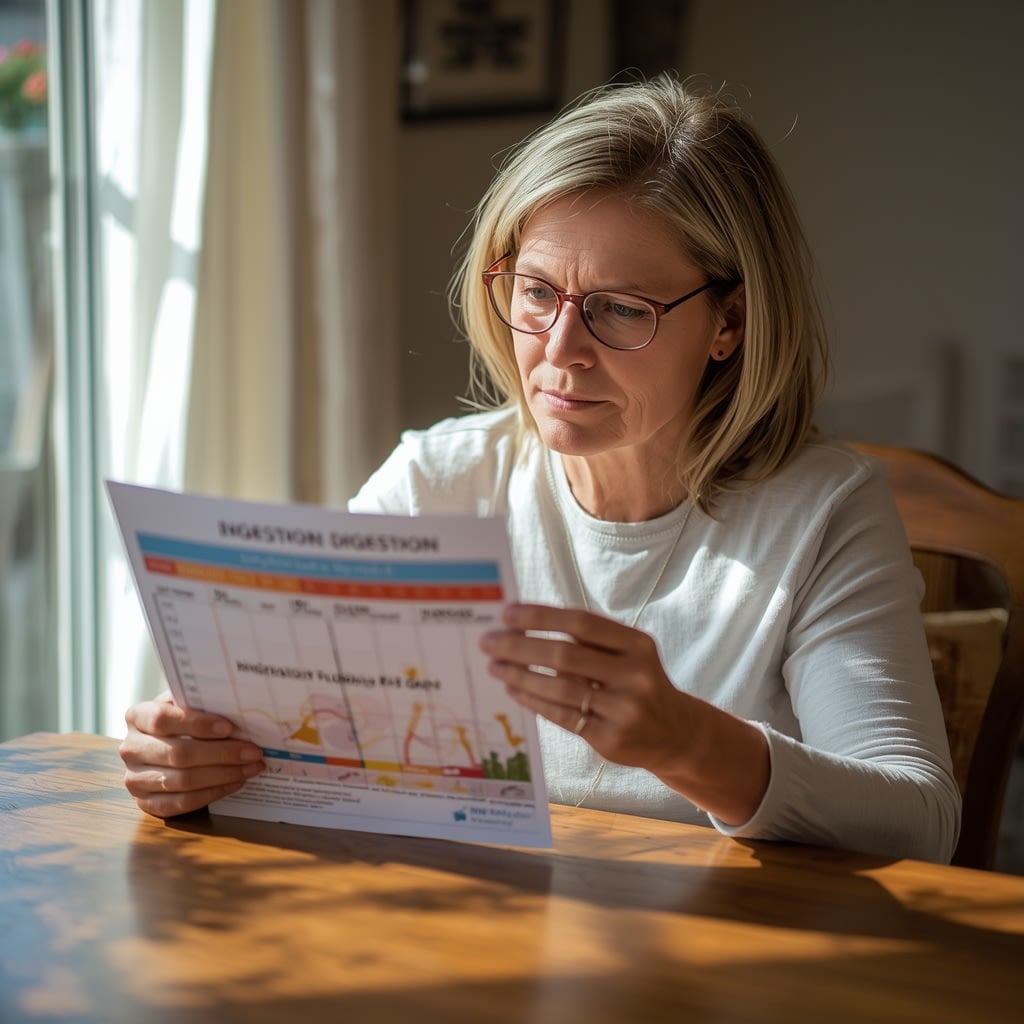
What Usually Causes Belly Bloat and What Leads to Belly Fat?
Bloating is often caused by an accumulation of gas in the digestive tract. This might result from habits like chewing gum excessively, eating meals rapidly, or drinking carbonated beverages. Certain digestive conditions, including irritable bowel syndrome and lactose intolerance, can also cause frequent bloating.
Other triggers include consuming high-fiber foods like broccoli and cabbage in large amounts, which some people find hard to digest, leading to extra gas. Constipation is another common cause — when waste builds up in your gut, it can stretch your abdomen noticeably.
In contrast, gaining belly fat usually comes down to consuming more calories than your body burns, combined with a lack of physical activity and chronic stress. Foods rich in unhealthy fats, high sugar levels, and alcohol are often linked to fat accumulation around the midsection. For women, hormonal changes during menopause can also contribute to increased belly fat by lowering estrogen levels.
Understanding these causes is the first step to managing your belly better, whether your goal is to decrease bloating or reduce fat.
Sales On NOW... Don't Miss Out on Our Best Deals on Weight-loss!
Grab These Deals on Peppermint Oil Capsules Before They're Gone!
🖤 Buying through our links helps support our app at no extra cost to you 🖤
Follow Us
Help our community grow by following us on social media

Effective Strategies for Reducing Belly Fat and Managing Bloating
If you want to decrease belly fat, remember that spot reduction isn’t realistic. You need to focus on overall fat loss, which comes from creating a calorie deficit — burning more calories than you consume. This can be achieved through a combination of healthier eating and regular exercise.
Try to eat a balanced diet with plenty of fruits, vegetables, healthy fats, lean proteins, and whole grains, while cutting back on processed foods and sugary treats. Don’t underestimate the power of good sleep; aiming for seven to nine hours a night can help regulate hormones that control appetite and metabolism.
Stress management is essential too. Long-term stress often leads to hormonal imbalances that encourage fat to collect in the belly area, so practices like meditation, deep breathing exercises, or simply engaging in hobbies you love can really make a difference.
Exercise should include both cardio activities like running, cycling, or brisk walking, and strength training like weightlifting or bodyweight exercises, which increase muscle and boost your metabolism. Incorporating core exercises, such as planks and bicycle crunches, will help tone your abdominal muscles, creating a firmer midsection even if you can’t target fat loss precisely.
For bloating relief, try to identify and avoid foods that trigger gas or discomfort, such as carbonated sodas, gum, or certain high-fiber veggies you might be sensitive to. Adding gut-friendly foods like yogurt, kefir, kimchi, or sauerkraut can support healthy digestion by nourishing beneficial bacteria.
Slowing down during meals by chewing carefully, putting down your fork between bites, and avoiding distractions like phones or TV can prevent swallowing excess air, which contributes to bloating. Also, taking a gentle walk after eating helps your digestive system release trapped gas.
When needed, over-the-counter treatments like Gaviscon or Simethicone, or natural options such as peppermint oil, might provide quick relief. However, if bloating persists or comes with severe symptoms like pain or vomiting, it is important to consult a healthcare professional.
Sales On NOW... Don't Miss Out on Our Best Deals on Weight-loss!
Grab These Deals on Adjustable Dumbbells Set Before They're Gone!
🖤 Buying through our links helps support our app at no extra cost to you 🖤
Stay Updated with Women's Spot Insights
Get the latest women's health tips, wellness advice, and expert insights delivered directly to your inbox.
We respect your privacy. Unsubscribe at any time.

When to Seek Medical Advice for Belly Bloat or Fat Concerns
While occasional bloating and minor belly fat are common, certain signs indicate it’s time to reach out to a healthcare provider. If your abdominal fat stays stubbornly present despite lifestyle changes or you experience significant and unexplained changes in weight, getting professional advice is a smart move.
Persistent or severe bloating accompanied by symptoms such as abdominal pain, blood in your stool, shifts in bowel habits, or unexplained weight loss could suggest an underlying gastrointestinal condition that requires evaluation.
Additionally, if you notice sudden, unexplained weight gain especially around your belly, it might be due to medical issues such as fluid retention or hormone imbalances that need treatment.
Remember that consulting a professional can help you identify the root cause of your symptoms and develop a tailored plan to improve your health effectively and safely.
Sales On NOW... Don't Miss Out on Our Best Deals on Weight-loss!
Grab These Deals on Yoga Mat Before They're Gone!
🖤 Buying through our links helps support our app at no extra cost to you 🖤
Comments
No comments yet. Be the first to share your thoughts!
Selected articles just for you
Discover more articles in this category that might interest you

Sales On NOW... Don't Miss Out on Our Best Deals!
🖤 Buying through our links helps support our app at no extra cost to you 🖤